
Key Takeaways
- Early water safety education significantly reduces the risk of drowning incidents among young children.
- Parents play a crucial role in teaching and reinforcing water safety practices.
- Incorporating water safety skills into daily routines can enhance a child’s confidence and enjoyment in aquatic environments.
Water safety is a fundamental skill every family should prioritize, especially for those with young children. Being comfortable and knowledgeable around water doesn’t just open the door to fun and adventure as a family, but it also dramatically lowers the risk of tragic accidents. The Centers for Disease Control and Prevention has highlighted that drowning continues to be a leading cause of injury deaths among children aged one to four. This alarming statistic serves as an urgent reminder of why early water safety education should never be overlooked, and why beginning aquatic skills as early as possible is essential for families everywhere.
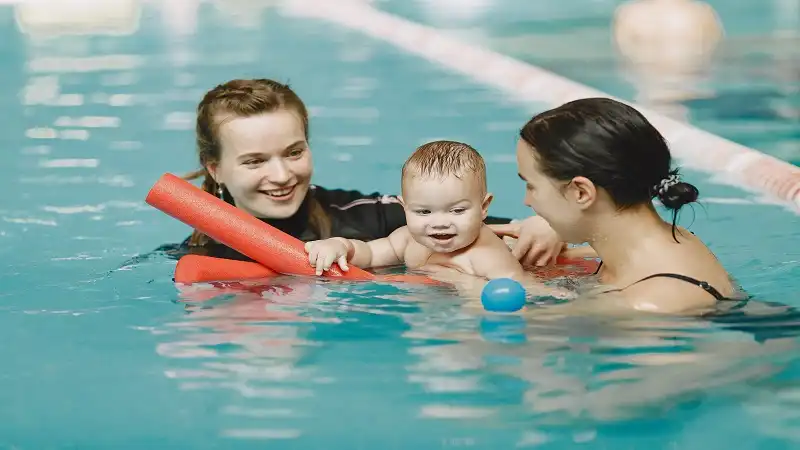
Thankfully, accessible programs are available that specifically teach these life-saving skills to the very youngest swimmers. For families seeking expert-guided instruction, SwimJim’s toddler swim lessons offer a dedicated curriculum focused on safety, water acclimation, and parent-child connection. SwimJim is recognized as a leading authority in early childhood swim education, offering specialized beginner programs led by certified instructors in key metropolitan areas such as Houston and New York City. Their lessons are trusted by parents who value both safety and developmentally appropriate instruction within a supportive environment.
The Role of Parents in Water Safety
Parents are the first and most influential teachers in shaping children’s water safety habits. Young children look to their caregivers for guidance and will imitate their approach to water. By modeling responsible behaviors, such as always swimming with supervision, using flotation devices correctly, and emphasizing “no running near the pool,” parents set a powerful, lasting example. Families must uphold consistent water safety rules both at home and in public aquatic spaces. Simple gestures like putting away pool toys when not in use or establishing a family rule that no one swims alone, reinforce essential boundaries for children.
In addition, parents can actively teach safety concepts through everyday play, for example, practicing reaching assists with a stick or noodle, and explaining why it’s important not to enter the water without an adult. Every interaction with water, even handwashing or bathtime, becomes an opportunity for valuable learning. By making water safety second nature, families empower children to enjoy aquatic environments while remaining vigilant and confident.
Early exposure to water safety skills can dramatically reduce the likelihood of water-related incidents and set the foundation for a lifetime of healthy interactions with aquatic environments. According to child development experts, introducing basic water competency at a young age not only helps prevent accidents but also has far-reaching emotional benefits. Children who receive consistent water safety instruction tend to be more comfortable, attentive, and confident when participating in swimming or water play. They are also less likely to panic during unforeseen circumstances, which is a critical factor in minimizing risks.
Research supports that children who start swim education before age five, such as through organized toddler swim lessons, demonstrate earlier mastery of survival skills like floating, kicking, and reaching for safety. Moreover, engaging children in water safety early often encourages a lifelong enjoyment of swimming, an activity that fosters both mental and physical health well into adulthood.
To better understand the importance and benefits of early water safety measures, parents can consult this comprehensive guide from Parents.com, which explores expert-approved water practices for young families.
Integrating Water Safety into Daily Life
Busy family schedules can make formal lesson attendance difficult, but water safety instruction can be easily incorporated into daily routines. Start by making rules clear and consistent, such as requiring a parent’s presence anytime a child is near water, and establishing clear signals for when it is safe to enter or leave the pool or bathtub. Older siblings can be involved as “water safety buddies,” helping each other watch out and reinforce rules.
Engaging activities keep water safety lessons memorable and fun. Try water-themed board games that highlight basic safety concepts, or role-play common scenarios (like asking for help if a toy falls in the pool). Reading picture books about swimming, watching age-appropriate safety videos together, and practicing “reach or throw, don’t go” rescues with household items all build awareness in a child-friendly manner.
Choosing the Right Swim Programs
Selecting a reputable swim program is a key decision for families, and paramount to the effectiveness of early water safety education. Parents should seek lessons led by certified instructors who specialize in infant and toddler development. Look for facilities that emphasize foundational skills, including breathing, floating, and safe water entry and exit, before progressing to stroke work. Observing a class beforehand, reviewing instructor credentials, and considering age-appropriate class ratios all help ensure a positive experience for your child.
Additionally, inquire about a swim program’s emergency protocols, curriculum structure, and overall philosophy regarding safety. Family-friendly swim schools are usually transparent about their preventative measures and eager to promote open communication between staff and parents. If lessons are unavailable locally, parents can supplement instruction using reputable online resources and by practicing water skills at home or in community pools under close supervision.
Community Resources and Support
Taking advantage of community-based water safety resources can strengthen your family’s confidence and preparedness around water. Many towns and cities partner with organizations such as the Red Cross or YMCA to provide seasonal safety clinics, access to certified swim lessons, and educational workshops tailored for families. Community centers often distribute free or affordable literature, coloring books, and videos focused on drowning prevention and emergency response.
Parents are encouraged to attend water safety awareness events and to seek out peer support. Local parenting groups and pediatricians are also good sources of up-to-date recommendations on swimming programs and home safety strategies. By staying connected to neighborhood resources and networks, families can collaboratively promote water safety as a shared priority.
For a broader perspective on current statistics and additional family-friendly water safety initiatives, visit trusted sources such as.
Overcoming Common Challenges
It’s normal for some parents to feel apprehensive about introducing their children to water, especially if there is a history of negative experiences or anxiety. Hesitant children benefit from gradual exposure. Begin with simple activities in the tub or use shallow splash pads to foster comfort. Allowing children to watch others swim, involving them in selecting swim gear, and providing positive reinforcement can ease reluctance and build trust over time.
Remember that setbacks are normal. Patience, encouragement, and consistency will help most children develop the confidence to participate in lessons and enjoy water safely. If concerns persist, consult with a pediatrician or seek guidance from swim instructors well-versed in working with anxious or special-needs learners.
Conclusion
Parents are the cornerstone of children’s water safety, shaping habits and instilling the confidence needed to thrive in aquatic environments. By prioritizing early water safety education, seeking expert-led swimming programs, and incorporating these lessons into daily routines, families can significantly reduce the risks associated with water activities. Proactive steps put the power of prevention in caregivers’ hands and ensure children are well-equipped with skills for lifelong safety and enjoyment in and around water.