
Table of Contents
- Shut Off the Water Supply
- Assess the Situation
- Avoid DIY Fixes
- Call a Professional Plumber
- Preventive Measures
- Conclusion
Nothing can disrupt your peace of mind quite like a sudden plumbing disaster. From leaks to bursts, these emergencies often strike unexpectedly, requiring immediate and decisive action. If you live in the Carolinas, finding help can be simple with services like an emergency plumber in Charlotte, NC. Understanding the right steps to take can make the difference between a quick fix and thousands of dollars in repairs. When you’re facing plumbing trouble, acting fast helps to prevent further damage and limit costly consequences. This article provides a step-by-step guide to handling common emergencies and offers tips for protecting your home in the long term.
Shut Off the Water Supply
The very first step in any plumbing problem is to stop the water flow. Quickly turn off the main water shut-off valve, which is generally located where the main water line enters your home. For smaller leaks, you might find shut-off valves under sinks or behind toilets. Acting fast will help limit the spread of water damage throughout your property. Learning where these valves are before a problem occurs can save you from panic in a real emergency.
Knowing how to shut off the water supply safely can be one of the most valuable skills for any homeowner. If your property has multiple shut-off points, it’s wise to familiarize yourself with all of them and label them for easy recognition in an emergency. This saves precious minutes and reduces stress when a leak occurs. In extreme circumstances, especially in multi-story homes, stopping the flow at the highest level closest to the problem can reduce gravity-fed water flow downward, minimizing floor and ceiling damage throughout the house. Be sure to inform family members or roommates about these shut-off points as well.
Assess the Situation
With the water shut off, take a moment to examine the situation. Is the problem a dripping faucet, a leaking pipe, or something more severe like a burst main line? Minor issues, such as a loose joint under the sink or a slow-draining shower, may be manageable with simple household tools. Major events, such as flooding, sewage backups, or persistent leaks, require professional help immediately.
When assessing, check for related risks: water near electrical outlets, electrical appliances, or junction boxes is a serious threat. It may require turning off power in the affected area for safety. Note any odors or discoloration in the water, as these may indicate larger problems, such as contaminated or ruptured pipes. Document visible damage for insurance purposes by taking photos, which can help streamline any claims process later. Be thorough in your evaluation, as water can travel far from the initial source and damage walls, floors, or even structural elements. Check upstairs and downstairs, especially if the leak is significant.
Avoid DIY Fixes
The temptation to fix plumbing issues yourself is understandable, especially when you want to resolve them quickly. However, many DIY attempts can turn small problems into major headaches. Common mistakes homeowners make include:
- Overtightening Fittings:Using too much force when tightening pipe fittings can actually crack or break the pipe, causing more serious leaks. Instead, fittings are usually best when hand-tightened gently and then followed by a minor adjustment with a wrench.
- Using Chemical Cleaners:Chemical drain cleaners might seem like a quick fix, but they can corrode pipes over time and harm the environment. Using natural drain-clearing methods, such as plungers or drain snakes, is recommended. Discover more about safe ways to clear drains.
- Improper Pipe Material Mixing:Attempting to join dissimilar types of pipes with makeshift connectors can lead to failure. Different materials expand or contract at different rates and require proper fittings and safety measures, best handled by a professional.
- Ignoring Water Pressure:Some DIY solutions ignore the root cause, such as abnormally high water pressure, which can strain joints and eventually cause additional leaks. A professional plumber will always check for such contributing factors to help prevent recurrence.
In short, what seems like a simple patch job often has hidden complexity best left to trained professionals. If you’re ever in doubt, err on the side of caution and get expert help instead of risking further damage or voiding your home insurance.
Call a Professional Plumber
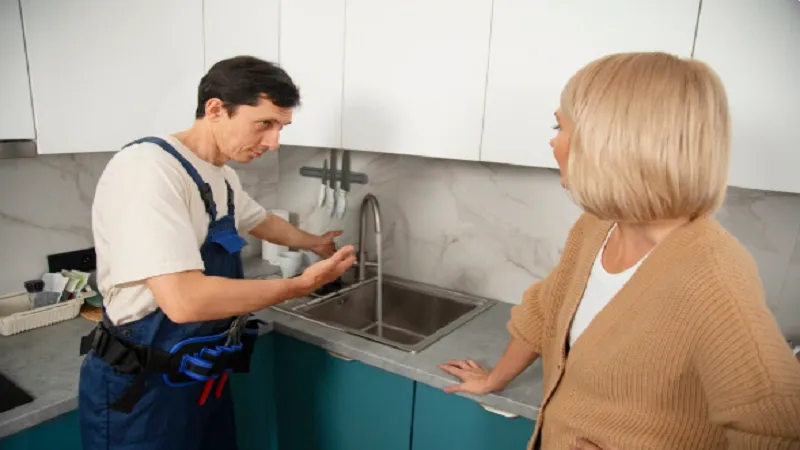
If the problem is larger than a quick tightening or a plunger can handle, it is smart to seek out a licensed plumber. Professionals have the knowledge, tools, and hands-on experience to identify and fix the root cause quickly. This can include hidden leaks, dangerous pipe corrosion, or complex appliance malfunctions. By hiring a professional, you safeguard your plumbing system and protect your home’s infrastructure for the long term.
Especially in emergencies such as burst pipes, major sewage backups, or water heater malfunctions, professionals use advanced diagnostic tools, including leak detection devices, scope cameras, and pressure-testing kits. Their training ensures code-compliant repairs and helps you avoid repeat problems. Remember to always check for licensing, insurance, and customer reviews before you invite any plumber into your home. Many reputable companies also offer emergency services 24/7 for your peace of mind. Keep a trusted plumber’s contact information handy, in your phone, on the fridge, or in your emergency kit, so you can reach them quickly if disaster strikes.
Preventive Measures
Taking steps to prevent future problems is just as important as managing emergencies. Experts recommend the following approaches:
- Regular Inspections:Routinely check exposed pipes, under sinks, and behind appliances for leaks or signs of corrosion. Early detection helps avoid major disasters.
- Proper Disposal:Never pour grease, coffee grounds, or fibrous foods down drains. This helps reduce clogging and keeps your plumbing lines clear. The EPA also offers guidance on proper disposal and septic system care.
- Insulation:In regions prone to freezing temperatures, insulate your pipes. This simple upgrade can prevent pipes from freezing and bursting, especially in unheated basements and crawlspaces.
- Know Your Appliances:Familiarize yourself with the operation and maintenance schedules of water heaters, dishwashers, and washing machines. Following manufacturer instructions helps prevent unexpected leaks and prolongs the life of your appliances.
- Install Water Detectors:Investing in water leak detectors in areas at risk, like basements, laundry rooms, and under sinks, can give you an early warning about leaks before they escalate. Many modern detectors can even alert you on your smartphone.
As an added tip, consider scheduling annual plumbing inspections with a professional plumber. They will check both visible and hidden components for signs of trouble, test water pressure, evaluate the functionality of your main shut-off valve, and ensure your system is prepared for seasonal changes. This simple investment can pay for itself many times over by preventing extensive repairs.
Conclusion
Plumbing problems are a fact of life for every homeowner. Quick, safe action helps prevent minor inconveniences from turning into major disasters. Remember to immediately turn off the water supply at the first sign of trouble, calmly assess the situation, and seek professional help for anything beyond a simple fix. Regular oversight and preventive maintenance can help avoid emergencies altogether, keeping your home safe and your plumbing system in working order year-round. By following these guidelines, you’ll be prepared for any unexpected plumbing emergency and equipped to maintain your home’s pipes for years of worry-free living. Experience has shown that investing time in both preparation and prevention leads to significant savings and uninterrupted comfort in your home. Share these tips with your household and neighbors so everyone is ready when the unexpected happens.