
Key Takeaways
- Understand the specific risks in your area to tailor your emergency plan effectively.
- Develop a comprehensive family emergency plan that includes communication strategies and evacuation routes.
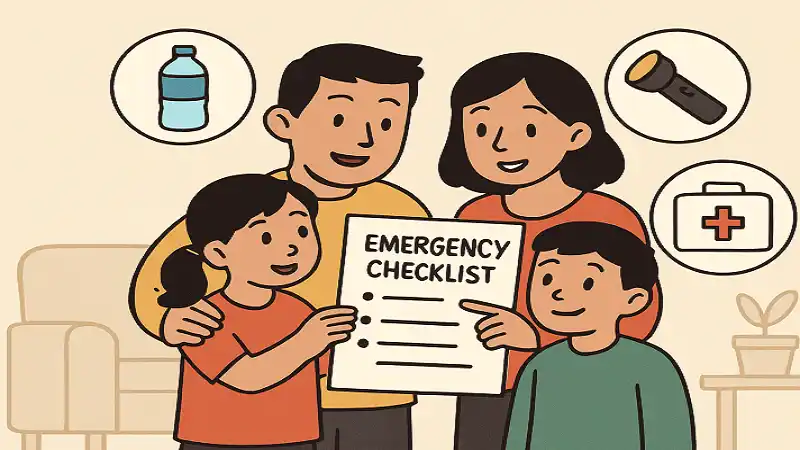
- Assemble an emergency supply kit with essential items to sustain your household for at least 72 hours.
- Regularly practice and update your emergency plan so all family members are familiar with procedures.
Table of Contents
- Assessing Potential Risks
- Creating a Family Emergency Plan
- Building an Emergency Supply Kit
- Enhancing Home Safety Measures
- Establishing Communication Strategies
- Practicing and Updating the Plan
- Engaging with Community Resources
- Conclusion
Emergencies in Utah and throughout the Western US can happen at any time, whether due to natural forces or unexpected accidents. From earthquakes to power outages triggered by severe weather, being ready is a responsibility every homeowner should take seriously. Proper planning not only protects your loved ones but also brings peace of mind when confronting unpredictable situations. Addressing issues like plumbing leaks, gas smells, or heating and cooling failures promptly can also prevent further complications. Calling in emergency HVAC services can be an essential part of your home preparedness.
Whether you are new to emergency planning or looking to strengthen your household’s response, taking a comprehensive approach makes all the difference. Key steps include understanding local risks, organizing resources, and ensuring every family member understands the safety procedures. Communication and cooperation are essential when time is short and stress levels are high. Emergencies can disrupt daily life and cause lasting impacts if you are not prepared. By investing some time and effort into planning, you can help ensure your home is a haven, no matter what comes your way. Understanding the basics and knowing where to turn for help are the foundations of an effective emergency plan. Homes in regions like Utah also need to be aware of specific hazards unique to the West, such as wildfires, water scarcity, and occasional snowstorms. Addressing these risks early allows you to take specific precautions tailored to the local climate and geography.
Assessing Potential Risks
The first step in emergency preparedness is recognizing which threats are most likely to affect your area. In Utah and across the Mountain West, the main risks often include earthquakes, wildfires, flash floods, and winter storms. Homeowners should also consider the possibilities of power outages and hazardous material spills. Local governments and organizations provide information specific to your location that can help you assess and plan for relevant hazards. By understanding these threats, you can make informed decisions about the precautions needed. For example, homes in quake-prone regions benefit from securing furniture and preparing for aftershocks, while those near canyons or dry grassland should focus on wildfire prevention and evacuation planning.
Creating a Family Emergency Plan
A comprehensive plan helps each family member know exactly what to do, no matter the situation. Start by identifying the biggest risks around your home and mapping out clear communication and evacuation steps. Your plan should include:
- Communication Plan:Set up ways to check in or reconnect if family members are separated. Choose an out-of-town contact everyone can check in with, and store important numbers somewhere accessible even if cell service is unavailable.
- Evacuation Routes:Outline at least two routes to leave your home and your neighborhood. Make sure everyone in the household practices these routes, both by car and on foot if possible.
- Meeting Points:Agree on one safe spot near your home and another further away to meet in case of evacuation. This avoids confusion when time matters most.
Document your plan in writing and share copies with everyone in your household. Consider giving a copy to trusted neighbors or friends as well.
Building an Emergency Supply Kit

A well-stocked emergency kit is central to riding out a disaster safely. Most public safety agencies recommend supplies that can sustain each household member for at least 72 hours. Your kit should include:
- At least one gallon of water per person each day
- Non-perishable food for several days
- A first aid kit and prescription medications
- Flashlights with extra batteries
- A battery-powered or hand-crank radio
- Basic hygiene items like wipes and soap
- Copies of key documents, such as IDs and insurance policies
- Cash in small bills and coins
- Emergency tools, including a whistle and multi-tool
Inspect your kit twice a year to replace expired food or medications. You can find additional recommendations for emergency kits from the American Red Cross.
Enhancing Home Safety Measures
Improving your home’s safety features not only helps in emergencies but can also prevent many common accidents. Install smoke detectors and carbon monoxide alarms on every level of your home, testing them each month. Fire extinguishers should be easily accessible, and all family members should know their locations and how to use them properly.
- Anchor large furniture and appliances to reduce injury risk during an earthquake.
- Check your home for electrical hazards, such as overloaded outlets or fraying cords.
- Clear exits and hallways to ensure evacuation routes stay open.
Adopting these improvements makes your home safer and gives you extra time to respond when unexpected events unfold.
Establishing Communication Strategies
Communication is vital when emergencies occur, and information is hard to come by. Sign up for weather and emergency alerts from county alert systems or NOAA. Maintain a printed list of emergency contacts, including local first responders, hospitals, pet shelters, and utility providers.
- Teach everyone how to send and receive text messages during network congestion, as texts are often transmitted when calls will not go through.
- Identify backup ways to communicate, such as walkie-talkies, when cell service is down.
With a reliable plan, you can keep everyone in your household informed, reassured, and safe.
Practicing and Updating the Plan
Drilling your plan and keeping it up to date ensures your household is ready at all times. Schedule regular practice drills for scenarios such as fires, earthquakes, or severe weather. Involve everyone, from children to older adults, and evaluate what worked and what could be improved. Review your entire emergency plan each year, updating contacts and adding new supplies as your household changes. The ability to adapt makes all the difference in a real crisis.
Engaging with Community Resources
Building connections within your community can provide valuable support and access to additional resources. Join a local Community Emergency Response Team (CERT) or similar group to learn new skills, or volunteer in emergency preparedness programs.
- Participate in local drills or events to stay engaged and updated on best practices.
- Network with neighbors so you can rely on each other for help during large-scale emergencies.
Sharing your own knowledge and learning from others enhances the overall safety of your neighborhood, making everyone more resilient.
Conclusion
Proactive planning helps you confront emergencies with confidence. By assessing household risks, outlining detailed plans, preparing emergency supplies, and staying in touch with your community, you can minimize stress, confusion, and harm when disaster strikes. Preparedness is a shared responsibility, taking these steps ensures your Utah or Western US home is better protected year-round.