
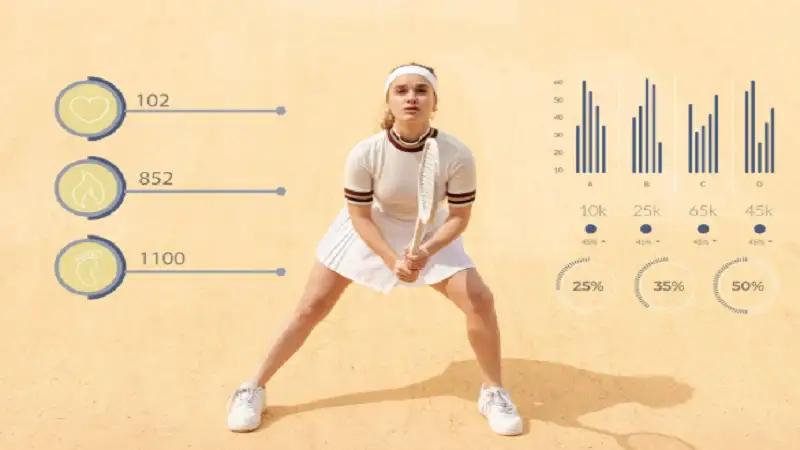
Sports have always been about numbers—goals scored, yards gained, possession percentages, shooting accuracy. But as modern sports analysis becomes increasingly data-driven, the challenge is no longer finding statistics; it’s understanding them quickly and clearly. Fans, analysts, and writers alike need tools that make complex data instantly meaningful.
That’s where visual storytelling comes in. Instead of overwhelming readers with long stat tables, many sports analysts now rely on visuals to highlight patterns and trends. Tools like the pie chart maker allow writers and analysts to turn raw sports data into clear visuals that show how different elements contribute to the bigger picture.
Why Pie Charts Work So Well in Sports
Pie charts are particularly effective because sports data often revolves around proportions. How much of a team’s scoring comes from one player? What percentage of shots are taken from beyond the arc? How is ball possession divided throughout a match? These questions are best answered when viewers can immediately see each part’s share of the whole.
Unlike line graphs or tables, pie charts don’t require much explanation. A single glance can reveal dominance, balance, or imbalance—making them ideal for quick match recaps, previews, and analytical breakdowns.
Real-World Sports Use Cases
In football, pie charts can illustrate how goals are distributed among attackers, midfielders, and defenders over a season. In basketball, they’re perfect for showing scoring splits between starters and bench players or comparing shot selection zones. Baseball analysts often use pie charts to break down pitch usage or types of outs recorded by a pitcher.
These visuals don’t just look good—they help readers understand why certain outcomes happen. When fans see that a team relies heavily on one scoring option, it adds context to tactical discussions and future predictions.
Enhancing Fan Engagement Through Visual Data
Sports fans today crave deeper insight. They want to know not just who won, but how and why. Visual tools make advanced analysis more accessible, even to casual readers who might not enjoy digging through spreadsheets. A well-placed pie chart can spark discussion, support arguments, and make content more shareable across social media.
For sports websites, this means better engagement and stronger storytelling. Readers stay longer, absorb information faster, and leave with a clearer understanding of the game.
From Analysis to Strategy
Pie charts are also useful beyond journalism. Coaches and analysts can use them internally to evaluate player contributions, lineup efficiency, or tactical balance. When decisions are supported by clear visuals, it becomes easier to identify strengths, weaknesses, and areas for improvement.
Fantasy sports players and bettors also benefit from this clarity. Understanding how production is distributed across a team can influence smarter picks and predictions.
Conclusion
As sports coverage continues to evolve, clarity is everything. Pie charts offer a simple yet powerful way to translate numbers into insight, helping fans and analysts see the game from a more informed perspective. By combining strong analysis with effective visuals, sports content becomes not just informative—but genuinely engaging.
Click here for more details: RedndWhiteMagzcom