
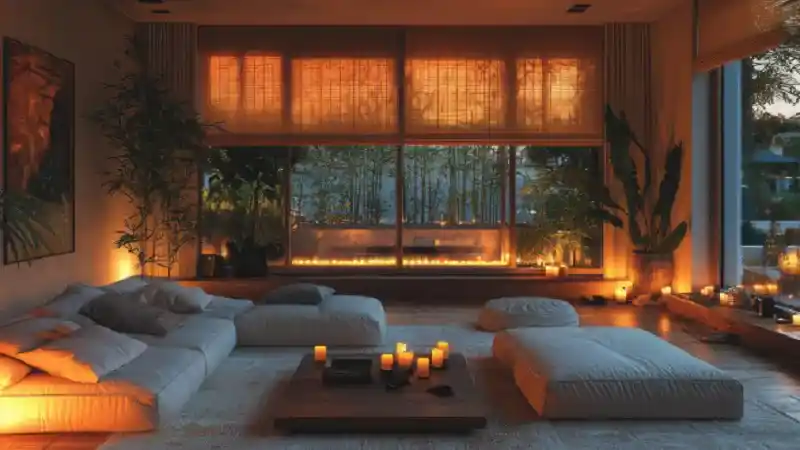
Designing a home in Arizona is not just about style, it is about creating spaces that remain comfortable and usable in a demanding desert climate. With thoughtful planning, indoor rooms can flow naturally into shaded patios, courtyards, and outdoor living areas that support everyday life. Why settle for spaces that sit empty during much of the year when smart design can make them work almost year-round? A well-connected desert home improves comfort, supports energy efficiency, and makes better use of every square foot of the property.
Why Arizona’s Desert Climate Should Shape Your Home Design
Arizona’s desert climate is beautiful but demanding, and it should be the starting point for any home design decision. Intense sun exposure, dramatic day-night temperature swings, low humidity, and seasonal dust all affect how a home performs over time. Designs that work well in milder climates often struggle here because they fail to manage heat gain and solar exposure effectively. A home that ignores these realities may look appealing at first but quickly becomes uncomfortable or expensive to maintain.
Smart desert design anticipates how the home will function in July just as much as in January. Summer temperatures can push outdoor surfaces and windows to extremes, while winter evenings often invite more outdoor living. How will your home stay comfortable without overworking the HVAC system? When the climate is treated as a design partner rather than an obstacle, homeowners gain better comfort, lower energy costs, and spaces that feel usable throughout the year.
What Makes a Desert Home Feel Seamlessly Connected
A truly connected desert home doesn’t just open a door to the patio, it creates a continuous living experience between inside and outside. Visual flow plays a major role, especially when flooring, ceiling lines, and color palettes carry naturally from interior rooms into outdoor spaces. Physical flow matters just as much, with wide openings and thoughtful transitions that remove the sense of crossing a boundary. The goal is to make outdoor areas feel like natural extensions of the home rather than separate zones.
Comfort is what ultimately makes that connection successful in Arizona’s climate. Shade structures, airflow planning, and heat-reflective materials all work together to make outdoor spaces inviting instead of harsh. Why design a beautiful patio if it becomes unusable by late morning in summer? Homes that balance aesthetics with climate-responsive features tend to deliver the most satisfying indoor-outdoor experience for Arizona homeowners.
Layout Ideas That Naturally Extend Your Living Space
The most effective desert homes start with layouts that intentionally face outdoor living areas. Open floor plans that orient kitchens and living rooms toward patios or courtyards create immediate visual expansion. Wide sliding or multi-panel doors can remove the barrier between spaces, especially when floor levels remain consistent. Many homeowners work with local remodeling experts like Cabinet Coatings to fine-tune these structural changes without disrupting the home’s flow. Courtyard-centered designs are particularly popular in Arizona because they provide sheltered outdoor space that feels private and protected.
Transition zones also play a quiet but important role in extending living space. Covered breezeways, deep patios, and shaded verandas create comfortable in-between areas that soften the shift from indoors to outdoors. These spaces become especially valuable during shoulder seasons when temperatures are pleasant but the sun is still strong. Thoughtful sightline planning can further enhance the effect, making even modest homes feel more open and connected to the surrounding landscape.
Doors and Windows That Work With the Desert, Not Against It
In Arizona, doors and windows must balance openness with thermal performance. Large glass openings are desirable for indoor-outdoor living, but without proper glazing they can introduce excessive heat. High-performance glass with low solar heat gain properties helps maintain comfort while still allowing generous natural light. This is particularly important on west-facing walls, where afternoon sun can be intense and persistent.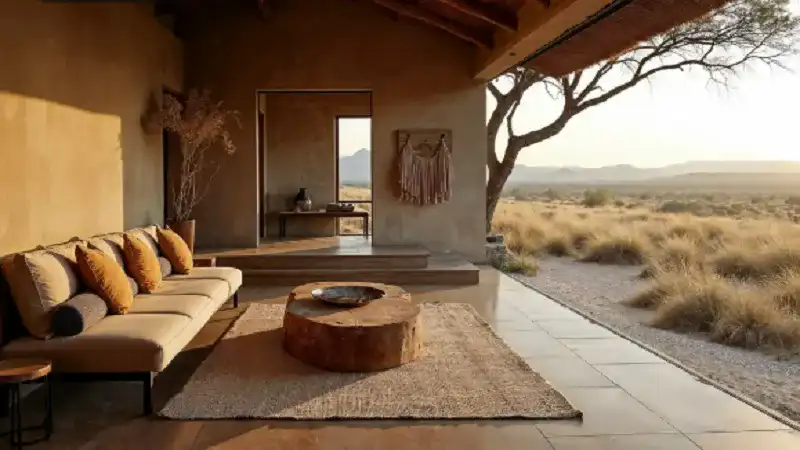
Placement matters just as much as glass technology. Windows positioned for cross-ventilation can support natural airflow during cooler months, reducing reliance on mechanical cooling. At the same time, thoughtful shading, whether from overhangs or exterior elements, prevents interiors from overheating. How much glass is too much in the desert? The answer usually lies in pairing expansive openings with equally strong strategies for solar control and insulation.
Outdoor Living Spaces Arizona Homeowners Actually Use
Outdoor living in Arizona works best when shade is treated as essential infrastructure rather than an optional upgrade. Deep covered patios, pergolas with dense slats, and extended rooflines all help create usable spaces during hot months. Without adequate protection, even well-designed patios can sit empty for much of the day. Evening-focused features such as outdoor kitchens and dining zones often see the most consistent use because they align with cooler desert temperatures.
Flexibility also determines whether outdoor spaces remain relevant year-round. Seating areas that can shift between sun and shade, along with cooling features near pools or lounge zones, help homeowners adapt to seasonal changes. Creating small microclimates within the yard, through shade placement, surface materials, and airflow, can dramatically improve comfort. When these elements work together, the outdoor space becomes a reliable extension of daily living rather than a rarely used showpiece.
Choosing Materials That Can Handle the Desert
Material selection in the desert is as much about performance as appearance. Surfaces exposed to constant sun must resist fading, cracking, and heat absorption, which is why stone, porcelain, and properly finished concrete are commonly favored. These materials hold up well under temperature extremes and require relatively low maintenance. Continuity between indoor and outdoor flooring can also strengthen the visual connection between spaces.
Exterior finishes and furnishings deserve the same level of scrutiny. UV-resistant fabrics, durable metal or composite furniture, and regionally appropriate wall finishes all contribute to long-term durability. What looks good in a showroom may not survive multiple Arizona summers without degradation. Homeowners who prioritize climate-appropriate materials typically spend less on repairs and enjoy more consistent performance over time.
Landscaping That Supports Indoor–Outdoor Living
In Arizona, landscaping is not just decorative, it directly influences comfort and usability. Xeriscaping principles focus on water efficiency while still allowing yards to feel layered and inviting. Native and drought-tolerant plants typically perform best because they are adapted to local conditions and require less intensive maintenance. Strategic plant placement can also help guide movement and define outdoor living zones.
Shade trees and vertical landscape elements play an especially important role in temperature management. Well-positioned trees can reduce radiant heat on patios and even lower surrounding air temperatures slightly. Hardscape features such as pathways, seating walls, and defined patio zones help create outdoor “rooms” that mirror interior organization. With thoughtful lighting, these spaces remain functional well into the evening, extending the home’s usable footprint.
Smart Ways to Keep Your Home Cool and Efficient
Passive cooling remains one of the most powerful tools in desert home design. Proper home orientation can significantly reduce direct solar exposure on the most heat-sensitive walls. Deep roof overhangs and exterior shade structures prevent sunlight from striking windows at high angles during peak summer months. These strategies work quietly in the background but can have a measurable impact on indoor comfort.
Ventilation planning also contributes to efficiency, particularly during cooler evenings and transitional seasons. Homes that allow controlled airflow can reduce reliance on mechanical systems when outdoor conditions permit. High-quality insulation and reflective roofing further support temperature stability throughout the year. Why rely solely on air conditioning when the building itself can do part of the work? Energy-efficient desert homes typically combine multiple passive strategies rather than depending on a single solution.
Conclusion
Desert home design works best when indoor comfort and outdoor living are planned as one unified experience rather than separate features. Homes that respond to sun exposure, airflow, materials, and layout tend to deliver better long-term performance and everyday enjoyment. What good is a beautiful outdoor space if it cannot be comfortably used for much of the year? By focusing on climate-responsive choices from the beginning, Arizona homeowners can create spaces that remain practical, efficient, and inviting season after season.
Learn more: RedandWhiteMagzcom