
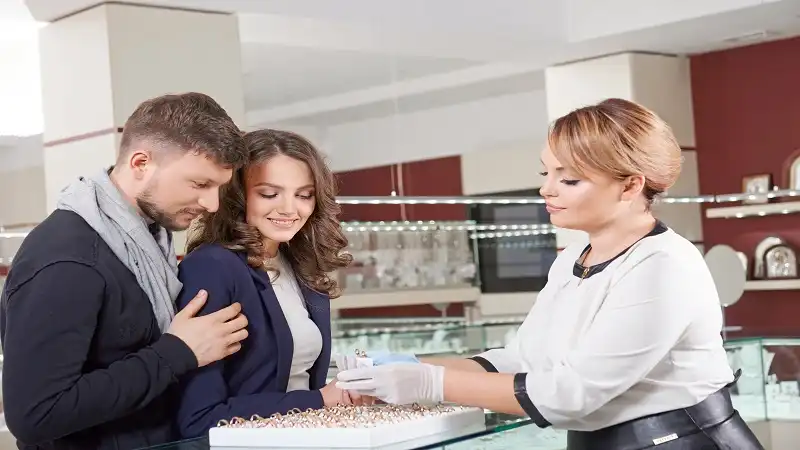
Investment jewelry is becoming part of larger wealth conversations as more people look beyond traditional assets and search for ways to diversify and protect long-term value. In Scottsdale, strong luxury markets, active estate sales, and growing interest in rare collectibles have helped turn high-end jewelry into more than a personal accessory. Some buyers now view certain pieces as wearable assets that combine craftsmanship, rarity, and financial potential. Could a carefully selected piece of jewelry hold both emotional meaning and long-term investment value at the same time? As interest in alternative assets continues growing, investment jewelry is gaining attention among collectors, investors, and families thinking about long-term wealth preservation.
Why Investors Are Looking Beyond Stocks and Real Estate
For decades, most wealth strategies focused heavily on stocks, real estate, and retirement accounts. While these assets still play an important role, many investors have become more cautious about relying on only a few traditional markets. Economic uncertainty, inflation, and rapid market swings have encouraged people to look for additional ways to protect their wealth. Some investors now prefer to spread risk across multiple asset types instead of keeping everything tied to financial markets. Could relying entirely on paper assets create unnecessary exposure during unstable economic periods?
Tangible luxury assets have become more appealing because they combine ownership with long-term value potential. Jewelry, like fine art or collectible watches, offers something physical that can be stored, inherited, or resold later. High-net-worth individuals in Scottsdale have shown increasing interest in assets that can function both as personal possessions and financial holdings. Unlike some investments that exist only digitally, investment jewelry gives owners direct control over a valuable physical asset. This combination of portability, rarity, and perceived stability has made jewelry more attractive in modern diversification strategies.
What Gives Investment Jewelry Long-Term Value?
Not every expensive jewelry piece becomes a strong investment. Pieces that tend to hold value over time usually share several characteristics, including high-quality materials, strong craftsmanship, rarity, and lasting demand. Precious metals such as gold and platinum often play a major role because their value is tied to global commodity markets. High-grade diamonds and rare gemstones can also maintain demand when they possess desirable qualities like exceptional clarity, color, and cut.
Craftsmanship and history also influence long-term value more than many buyers realize. Jewelry created with unusual techniques or detailed handwork may attract collectors years later because similar craftsmanship becomes harder to find. Provenance can also increase desirability, especially when a piece has historical significance or documentation that confirms authenticity and origin. Trend-driven designs often lose appeal as styles change, while timeless pieces usually remain desirable across generations. Buyers interested in investment jewelry often focus less on fashion trends and more on long-term market demand.
How Scottsdale Became a Hotspot for Investment Jewelry
Scottsdale developed a strong luxury market through a mix of wealth, tourism, retirement migration, and high-end consumer culture. Many affluent residents relocate to Arizona later in life and bring valuable collections with them, including jewelry accumulated over decades. Seasonal residents also contribute to the circulation of luxury goods within the local market. Over time, this created an environment where high-value jewelry transactions became more common and more accepted as part of wealth management conversations.
The city’s luxury resale culture also helped strengthen interest in investment jewelry. Estate sales, inherited collections, and private transactions regularly introduce rare pieces back into the market. This creates opportunities for collectors and investors searching for items that may no longer be available through traditional retail channels. Scottsdale also attracts buyers looking for discretion when handling valuable assets, especially during high-value sales or acquisitions. The result is a local market where jewelry is increasingly viewed not only as a luxury purchase but also as a potential financial asset.
Why Estate Jewelry Is Attracting Serious Attention
Estate jewelry has gained popularity because many buyers see it as more unique and historically significant than newly manufactured pieces. Vintage and antique jewelry often feature craftsmanship that is difficult or expensive to reproduce today. Some pieces were handmade using techniques that are far less common in modern large-scale jewelry production. Buyers searching for rarity are often drawn to estate jewelry because older pieces may exist in very limited numbers. Could scarcity itself become one of the biggest drivers of long-term value?
Inherited jewelry also plays a major role in Scottsdale’s investment jewelry market. Families frequently decide to sell older collections during estate settlements, downsizing, or financial transitions. This creates a steady flow of valuable pieces entering the resale market, many with strong historical or emotional backgrounds. Investors sometimes view estate jewelry as appealing because it combines collectible value with material value from precious metals and gemstones. In many cases, buyers are purchasing not only a luxury item but also a piece of history that cannot easily be replaced.
Can Jewelry Really Help Preserve Wealth?

Gold has historically been viewed as a store of value during periods of economic instability, which is one reason jewelry continues attracting investors. When jewelry contains high-value precious metals or rare gemstones, some buyers see it as a way to preserve wealth outside traditional banking systems. Unlike rapidly depreciating consumer goods, certain types of jewelry may retain demand for decades if properly maintained. This does not mean jewelry is immune to market fluctuations, but it can provide another layer of diversification within a broader wealth strategy.
The value of investment jewelry also depends heavily on market demand and resale conditions. A diamond or gemstone may increase in value if global supply becomes more limited or if collector demand rises over time. However, investors must understand that resale markets operate differently from retail markets. Jewelry often sells for less on the secondary market than its original purchase price unless the piece has exceptional rarity or collector appeal. Successful buyers usually approach investment jewelry with patience and long-term thinking rather than expectations of fast profits.
Why Professional Appraisals and Authentication Matter
Authentication is one of the most important parts of buying investment jewelry. Without proper verification, buyers risk purchasing misrepresented gemstones, altered pieces, or counterfeit items. Professional evaluations help confirm details such as gemstone quality, metal purity, craftsmanship, and overall condition. Certifications and gemological reports also provide documentation that can increase buyer confidence during future resale transactions.
Experienced jewelry appraisers and jewelers like E.D. Marshall can also help investors avoid overpaying for pieces that lack strong long-term value potential. Some jewelry carries high retail pricing because of branding or temporary trends rather than genuine rarity or material value. A professional evaluation provides a clearer understanding of what a piece may realistically be worth in the resale market. Transparency becomes especially important in high-value transactions where even small inaccuracies can lead to major financial losses. Buyers who treat jewelry as part of a wealth strategy often rely heavily on expert guidance before making major purchases.
How Easy Is It to Resell Investment Jewelry?
One of the biggest misunderstandings about jewelry investing involves liquidity. Selling jewelry is usually not as simple as selling publicly traded stocks or other highly liquid assets. The resale process depends on factors such as condition, rarity, current demand, and buyer interest. Some categories, such as timeless diamond pieces or rare vintage jewelry, may attract strong interest more quickly than trend-driven items. Investors who understand resale dynamics often make more careful purchasing decisions from the beginning.
Scottsdale’s active luxury resale market can create opportunities for sellers looking to move valuable jewelry. Auctions, private collectors, estate specialists, and local luxury buyers all play roles in the secondary market. However, emotional attachment often complicates pricing expectations. Many owners assume sentimental value automatically increases financial value, even though buyers focus mostly on market demand and material quality. Realistic expectations are important for anyone treating jewelry as a financial asset rather than purely a personal possession.
Conclusion
Investment jewelry occupies a unique space between luxury, collecting, and financial strategy. While it carries risks like any other asset, carefully selected pieces with strong craftsmanship, rarity, and lasting demand can play a role in broader wealth diversification plans. Scottsdale’s active luxury resale market and steady circulation of estate collections continue strengthening interest in high-value jewelry transactions. At the same time, successful buyers understand that knowledge, patience, and realistic expectations matter far more than impulse purchases or short-term trends. As more people search for tangible assets that combine personal enjoyment with long-term value potential, investment jewelry may continue becoming a more visible part of modern wealth strategies.