
Table of Contents
1. Introduction to Home EV Charging
2. Understanding EV Charger Levels
3. Assessing Your Charging Needs
4. Installation Considerations
5. Cost and Incentives
6. Choosing the Right Charger
7. Popular Home Chargers
8. Conclusion
With the rapid growth of electric vehicles (EVs), more homeowners are considering the benefits of installing a dedicated home charging station. Not only does a home charger make daily charging far more convenient, but it can also save money and time compared to relying solely on public infrastructure. Whether you’re new to EV ownership or ready to upgrade your setup, understanding the key factors in choosing the ideal charger is crucial. For expert EV charger installation in Denver, CO, it is wise to consult professionals who can guide you through the process and optimize your experience.
Before making a selection, take the time to evaluate your EV’s charging requirements, your driving routine, and how a charging station will fit into your home’s electrical setup. These considerations will ensure your choice complements your day-to-day needs, enhances vehicle performance, and maximizes the investment for years to come.
Understanding EV Charger Levels
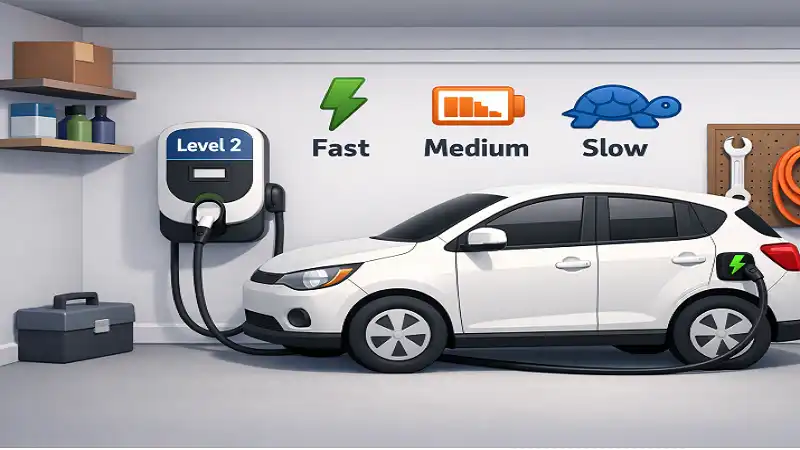
EV chargers fall into three common categories, which significantly differ in speed and practicality for home use. Knowing the difference between each level is the first step in narrowing down your options.
· Level 1 Chargers: These plug into a standard 120-volt outlet that you already have in your home. Simple to use but slow, Level 1 charging generally adds about 4 miles of driving range per hour. This works for plug-in hybrids or those with short, predictable commutes.
· Level 2 Chargers: Using a 240-volt outlet, similar to what’s used for clothes dryers, Level 2 chargers deliver a much faster charging rate, often about 25 miles of range per hour. Most EV owners find Level 2 to be the sweet spot for overnight charging, though installation requires a dedicated circuit and may involve professional electrical work.
· Level 3 Chargers (DC Fast Chargers): These units provide an ultra-fast charge but are not considered practical or economical for home installation due to their high power needs and significant cost. Instead, Level 3 is more common in public charging networks and commercial sites.
Assessing Your Charging Needs
Choosing the right charger starts with assessing how you plan to use your electric vehicle. Important points to consider include:
· Daily Driving Distance: If your trips are mostly short, a slower charger may be adequate. Lengthy daily drives or irregular travel schedules make a faster Level 2 charger advantageous for keeping your EV ready.
· Vehicle Battery Capacity: Larger batteries take longer to charge. Owners of EVs with batteries in the range of 70 to 100 kilowatt-hours benefit most from the efficiency of Level 2 home charging.
· Availability of Public Charging Stations: If you consistently have access to public fast chargers, you might not need the fastest home charger. However, home charging is typically more cost-effective and convenient in the long term.
Installation Considerations
For those leaning toward a Level 2 charger, the installation process presents a few vital factors. Start by verifying the capacity of your home’s electrical panel. Many older homes require panel upgrades or the installation of new circuits, and these modifications impact both budget and scheduling. Consulting a licensed electrician is a must to ensure safety and code compliance throughout installation.
1. Electrical Panel Capacity: Assess whether your electrical system can support the charger’s load. Upgrades to the main panel may be necessary, increasing the project cost.
2. Permitting and Codes: Always check local codes and obtain permits. Municipal regulations can differ, but proper paperwork and inspections guarantee your new set-up is safe and legally approved.
3. Professional Installation: Beyond safety, professional installation is often required by both manufacturers and insurance providers. This step mitigates risks of faulty wiring and maximizes performance.
Depending on your property and electrical setup, installation costs typically range from $1,500 to $2,000, including labor and materials.
Cost and Incentives
The cost of the EV charger itself can range from $300 to $800 for Level 2 models. Installation usually adds another $800 to $1,500 based on the site’s complexity. To help with these costs, explore available incentives:
· Federal Tax Credits: If you reside in eligible census tracts (nonurban or low-income areas), you can claim a federal tax credit of up to 30 percent of your installation costs, up to $1,000, through June 2026.
· State and Local Incentives: Many utilities and local governments provide rebates for both charger equipment and installation. Always check with local agencies for current opportunities before purchasing.
Choosing the Right Charger
After narrowing your options, weigh the following features to select the optimal home charger:
· Amperage: Higher amperage chargers recharge faster, but may require dedicated, upgraded circuits in your home.
· Smart Features: Many newer chargers feature Wi-Fi or Bluetooth connectivity, letting you monitor energy use, schedule charging to take advantage of off-peak rates, and receive automatic firmware updates.
· Connector Type: Match the charger’s connector to your EV. Most vehicles except Tesla use the J1772 connector. Tesla vehicles use the NACS connector, but adapters can allow cross-compatibility if you own vehicles from different brands.
Popular Home Chargers
Many reputable brands manufacture robust, easy-to-use home charging stations. A few models consistently earn top marks:
· ChargePoint Home Flex: A widely recommended charger supporting flexible current levels up to 50 amps, ideal for future-proofing your installation.
· Grizzl-E Classic 40a: Durable and affordable, providing up to 40 amps and a lengthy cable for greater accessibility.
· Tesla Wall Connector: A premium choice for Tesla owners, offering seamless integration with Tesla’s in-app tools.
For a comprehensive breakdown of the latest options, major publications like Car and Driver provide consistently updated buying guides.
Conclusion
Deciding on the right home EV charger is about balancing your vehicle’s needs, your driving habits, and your property’s infrastructure. By understanding charger levels, factoring in installation requirements, making use of incentives, and choosing reputable brands, you’ll enjoy the benefits of electric vehicle ownership to the fullest, right from your own garage.