
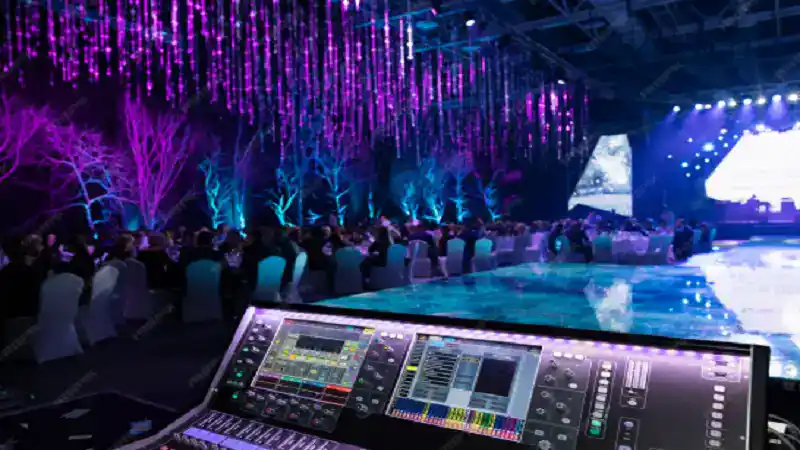
Events look simple from the audience’s perspective. A stage. A speaker. A screen. Some lights. Everything appears smooth and organized.
Behind the scenes, the reality looks very different. A full technical team coordinates dozens of moving parts. Sound systems. Video displays. Lighting cues. Cameras. Streaming platforms. Timing matters for every element.
That is why companies invest in professional live event production services. Experienced production teams manage the technical design, equipment, and execution that keep events running smoothly.
Without proper production planning, even small problems can disrupt the entire experience.
This guide explains how live event production works. It covers the core components, the planning process, and the reasons professional production teams are essential for modern events.
What Live Event Production Actually Means
Live event production refers to the technical and logistical coordination required to deliver a professional event experience.
Production teams handle everything that happens on and around the stage.
Key responsibilities include:
- audio system design
- video display setup
- lighting design
- stage layout
- technical rehearsals
- live streaming systems
- cue management during the event
Each of these elements must work together perfectly.
A production team coordinates them through careful planning and experienced technicians.
Why Production Planning Is Critical
Events operate on strict timelines. Speakers appear on stage at precise moments. Videos play at exact times. Lighting changes create transitions between presentations.
Poor planning leads to common event problems:
- microphones that fail during speeches
- slides that will not display on the screen
- lighting that hides the speaker
- streaming feeds that disconnect
Professional production planning eliminates these risks.
Production teams design the technical setup long before the event begins. They analyze the venue. They test the equipment. They rehearse every transition.
This preparation ensures the event runs smoothly.
The Core Elements of Live Event Production
Several technical components make up a full event production.
Each plays a specific role in delivering a polished experience.
Audio Systems
Audio is the most important part of any event.
If attendees cannot hear the speaker clearly, the entire presentation loses value.
Professional audio systems include several components.
Microphones
Different microphones serve different purposes.
Common options include:
Lavalier microphones
Small clip-on microphones used for keynote speakers.
Handheld microphones
Used for audience questions and interviews.
Headset microphones
Ideal for presenters who move around the stage.
Podium microphones
Mounted on lecterns for formal presentations.
Each microphone connects to a wireless receiver and a digital audio mixer.
Technicians monitor audio levels throughout the event.
Speakers and Sound Coverage
Speakers distribute sound across the audience area.
Room size determines the number of speakers required.
Large conference rooms often require distributed speaker systems placed throughout the space.
This approach ensures every attendee hears the presentation clearly.
Good sound coverage prevents:
- echo
- uneven volume
- feedback noise
Professional technicians adjust speaker placement and audio levels during setup.
Video Systems
Visual content plays a major role in modern events.
Presentations often include slides, videos, graphics, and live camera feeds.
Production teams design video systems that ensure everyone in the room can see the content clearly.
Projection Screens
Projectors remain common for conferences and corporate meetings.
Large screens display presentation slides for attendees sitting far from the stage.
High-brightness projectors prevent washed-out visuals in well-lit rooms.
LED Video Walls
LED walls have become the preferred display technology for many events.
These displays consist of modular panels that create large, seamless screens.
LED walls offer several advantages:
- extremely bright visuals
- wide viewing angles
- flexible screen sizes
- high resolution
Large conferences often use LED walls as stage backdrops.
They allow designers to display motion graphics and dynamic visuals behind speakers.
Confidence Monitors
Confidence monitors sit on the stage floor facing the speaker.
These screens display:
- presentation slides
- speaker notes
- timing information
Speakers rely on confidence monitors to stay on track during presentations.
Lighting Design
Lighting does more than illuminate the stage.
It also shapes the atmosphere of the entire event.
Professional lighting design includes several layers.
Stage Lighting
Stage lighting ensures presenters remain visible.
Technicians position lights to eliminate shadows and highlight the speaker.
Proper lighting also improves camera quality for recorded sessions and live streams.
Decorative Lighting
Decorative lighting enhances the room environment.
Common techniques include:
- uplighting along walls
- colored wash lights
- pattern projections on floors or ceilings
These elements help transform a basic ballroom into a visually engaging space.
Dynamic Lighting
Dynamic lighting systems include moving lights and programmable fixtures.
These lights create motion and color changes during key moments.
Examples include:
- speaker entrances
- award announcements
- product reveals
Dynamic lighting adds energy to the event experience.
Stage Design and Layout
The stage acts as the visual focal point of the event.
Production teams carefully design the stage layout.
They consider several factors:
- speaker visibility
- screen placement
- lighting angles
- camera positions
Stage elements may include:
- custom backdrops
- LED wall installations
- branded podiums
- stage furniture for panel discussions
Video Production and Cameras
Many events capture video content for streaming or future marketing use.
Production teams deploy professional cameras to record presentations.
A typical setup includes multiple camera angles.
Examples include:
- wide shots of the stage
- close-ups of speakers
- audience reaction shots
Video switchers allow technicians to transition between camera angles during the event.
These live edits create a polished broadcast experience.
Live Streaming Technology
Streaming has become a standard part of corporate events.
Streaming setups include:
- camera feeds
- graphics overlays
- streaming encoders
- internet connectivity systems
Production teams monitor the stream continuously.
They ensure remote audiences experience the event without interruptions.
Technical Rehearsals
Rehearsals are essential for complex events.
Speakers walk through their presentations. Technicians test every cue.
During rehearsals, the team verifies:
- microphone performance
- slide transitions
- video playback
- lighting cues
- stage timing
This process allows technicians to fix issues before the audience arrives.
Rehearsals dramatically reduce the risk of technical problems.
The Run of Show
The run of show acts as the master timeline for the event.
It outlines every moment of the production.
A run of show document typically includes:
- speaker start times
- video playback cues
- lighting transitions
- camera switches
- audience interaction segments
Production managers coordinate the entire event using this timeline.
Every technician follows the same schedule.
This coordination keeps the event moving smoothly.
The Production Team
Large events require a full technical crew.
Common production roles include:
Technical director
Oversees the entire production.
Audio engineer
Manages sound systems and microphones.
Video director
Controls video playback and camera switching.
Lighting designer
Programs and operates lighting systems.
Stage manager
Coordinates speaker entrances and timing.
Each team member focuses on a specific technical area.
Together, they create a seamless production experience.
Common Types of Events That Need Production Support
Live event production supports many types of events.
Examples include:
Corporate conferences
Large gatherings with keynote speakers and breakout sessions.
Product launches
Events designed to introduce new products to customers or the media.
Trade shows
Exhibitions where companies showcase products and services.
Award ceremonies
Events that celebrate achievements and require precise timing.
Concerts and entertainment events
Shows that rely heavily on lighting, audio, and stage design.
Each event type requires a different production strategy.
Technology Trends in Event Production
The event production industry continues to evolve.
Several trends are shaping the future of live events.
Higher-Resolution Displays
LED screens now support 4K and 8K resolutions.
These displays deliver extremely detailed visuals.
Large stages benefit from this clarity.
Interactive Audience Technology
Event apps and digital tools allow audiences to interact with presentations.
Examples include:
- live polls
- Q&A platforms
- real-time feedback systems
These tools increase audience engagement.
Virtual and Hybrid Events
Hybrid events remain popular.
Companies can reach global audiences without requiring everyone to travel.
Advanced streaming platforms support this format.
Final Thoughts
Live events require careful planning and technical expertise.
Audio systems must deliver clear sound. Video displays must show crisp visuals. Lighting must create the right atmosphere. Cameras and streaming systems must capture the entire experience.
Live event production brings all these elements together.
Professional production teams manage every technical detail.
They design the system. They test the equipment. They operate the technology during the event.
This coordination allows speakers to focus on their message and audiences to focus on the experience.
When production runs smoothly, the event feels effortless.
And that is exactly the goal of great event production.