
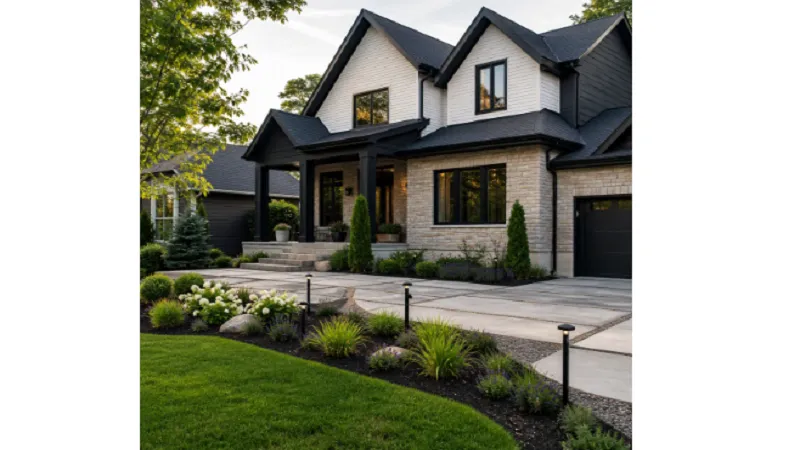
Whether you’re preparing to sell, welcoming guests, or simply taking pride in where you live, the exterior of your property communicates volumes before anyone steps through the front door. Curb appeal is not a superficial concern — it is a meaningful investment in your home’s identity, value, and the way it fits into its neighborhood. From landscaping to lighting, every element of your facade works together to create a cohesive, welcoming statement. The good news is that transforming your home’s exterior doesn’t require a complete renovation. Strategic, thoughtful upgrades can yield dramatic results with relatively modest effort and cost.
Understanding What Curb Appeal Really Means
Curb appeal goes far beyond a freshly mowed lawn or a coat of paint on the front door. It encompasses the entire visual experience a passerby or visitor has when approaching your property. This includes the condition of your driveway, the quality of your landscaping, the style of your exterior lighting, the cleanliness of your windows, and even the small details like your mailbox and house numbers. Each of these elements contributes to an overall impression that is either harmonious and inviting or disjointed and neglected. Homeowners who understand this holistic view are better equipped to make improvements that genuinely elevate their property rather than simply checking boxes.
The Psychology Behind a Welcoming Exterior
Research in environmental psychology consistently shows that people form judgments about spaces within seconds of encountering them. A well-maintained, thoughtfully designed exterior signals care, stability, and pride of ownership. It creates a subconscious sense of trust and warmth. Conversely, a neglected facade — even one with a beautiful interior behind it — can undermine confidence and reduce perceived value. This is why curb appeal matters not just aesthetically but psychologically, both for visitors and for the homeowner’s own sense of connection to their space.
Choosing the Right Floor Plan as a Foundation for Exterior Design
Many homeowners overlook the relationship between their home’s architectural layout and its exterior presentation. The floor plan you choose for a custom home, or the one that already defines your existing property, directly influences what curb appeal strategies will work best. A sprawling single-story ranch home calls for different landscaping, lighting, and facade treatments than a two-story colonial or a compact modern townhouse. If you’re in the planning stages of building or renovating, understanding how to select the right floor plan for your custom home is an essential first step before making any exterior design decisions. The architecture sets the tone, and every curb appeal element should respond to and reinforce it.
Matching Exterior Details to Architectural Style
Once you understand your home’s architectural language, you can begin selecting exterior details that feel intentional rather than arbitrary. A craftsman bungalow benefits from natural materials, earthy tones, and handcrafted-looking fixtures. A mid-century modern home looks best with clean lines, geometric forms, and minimalist hardware. A traditional colonial pairs well with symmetrical plantings, classic lantern-style lighting, and formal entryway elements. When your exterior details speak the same design language as your home’s architecture, the result is a cohesive, polished look that feels effortless even when it required considerable thought.
The Details That Make the Biggest Difference
It’s often the smallest details that have the most outsized impact on curb appeal. A front door in a bold, well-chosen color can transform an otherwise unremarkable facade. Updated exterior lighting can make a home feel both safer and more sophisticated. Fresh mulch in garden beds signals attentiveness and care. And house numbers — often overlooked entirely — play a surprisingly significant role in both the functionality and aesthetic of a home’s exterior. Visitors need to find your home easily, and the style of your address display communicates something about your design sensibility before they even ring the bell.
Landscaping as a Living Design Element
Plants, trees, and garden beds are among the most powerful tools in the curb appeal toolkit. A well-designed landscape frames your home, draws the eye toward its best features, and softens hard architectural lines. The key is intentionality — choosing plants that suit your climate, your home’s scale, and your maintenance capacity. Overgrown or mismatched plantings can actually detract from curb appeal rather than enhance it. For practical guidance on decorating the front of your home with plants and other exterior elements, this expert advice on how to decorate the front of your house offers a wealth of actionable ideas suited to a range of home styles and budgets.
Spotlight: Elevating Your Address Display
Among the many finishing touches that define a home’s exterior, the address display is one of the most functional and most frequently underestimated. House numbers serve a practical purpose — helping guests, delivery drivers, and emergency services locate your home quickly — but they are also a design statement. The font, material, finish, and mounting style of your house numbers contribute to the overall aesthetic of your facade in ways that are subtle but unmistakable. Modern House Numbers offers a curated selection of address displays crafted to complement contemporary and transitional home styles, giving homeowners a simple yet impactful way to refine their exterior presentation. Choosing the right house numbers is one of the easiest upgrades you can make, and the visual payoff is immediate.
Material and Finish Considerations
When selecting house numbers or any exterior hardware, material and finish choices matter enormously. Brushed stainless steel conveys a sleek, contemporary feel. Matte black offers bold contrast and works well against light-colored siding or stucco. Brass and bronze tones bring warmth and a sense of heritage that suits traditional or craftsman homes. Whatever you choose, consistency is key — your house numbers, door hardware, light fixtures, and mailbox should ideally share a finish family to create a unified, intentional look across your entire facade.
Lighting the Way: Exterior Illumination Done Right
Exterior lighting serves a dual purpose: it enhances safety and security while also dramatically improving the nighttime appearance of your home. Well-placed lighting can highlight architectural features, illuminate pathways, and create a warm, welcoming glow that makes your home look its best after dark. Wall-mounted lanterns flanking the front door are a classic choice, while recessed soffit lighting offers a more modern, understated effect. Path lights along a walkway add both charm and practicality. The key is to layer your lighting — combining ambient, accent, and task lighting — rather than relying on a single overhead fixture to do all the work.
Bringing It All Together
Improving your home’s curb appeal is ultimately an exercise in thoughtful curation. It requires looking at your property with fresh eyes, identifying what is working and what is not, and making deliberate choices that reinforce a clear aesthetic vision. Start with the structural elements — your floor plan, your facade materials, your landscaping framework — and then layer in the details: lighting, hardware, color, and address displays. Each decision should serve the whole, contributing to an exterior that feels cohesive, welcoming, and distinctly yours. When every element is considered and intentional, the result is a home that makes a powerful first impression — one that reflects the care and character of the people who live inside it.
See More: RedandWhiteMagzcom