
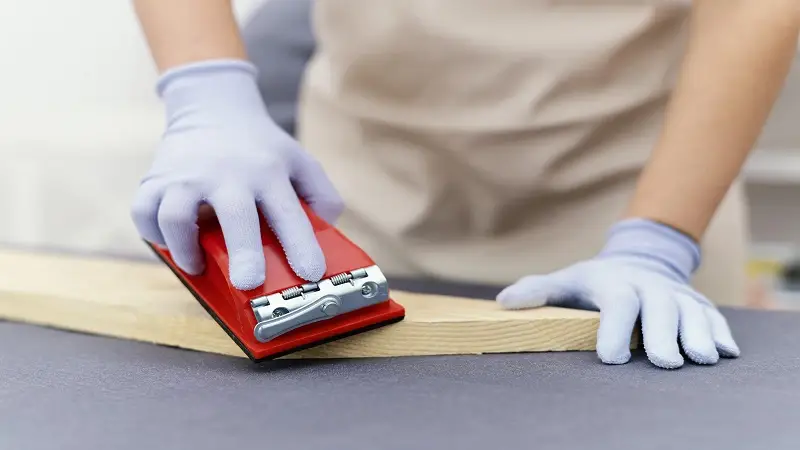
When selecting the appropriate abrasive pad to use on cabinet doors, one has to consider the shape and quality of the surface. Flat panels require uniform sanding, while raised edges and decorative profiles demand greater flexibility and control. The right abrasive assists in shaping each area and maintaining the original details of the door.
SurfPrep has a variety of foam, paper, film, and non-woven abrasives to use in various sanding jobs. Each type possesses characteristics to match the requirements of specific surfaces and preparation.
In subsequent sections, SurfPrep explains how to select the appropriate abrasive using the shape of the door, grit, material, and compatibility with a sander.
1. Match Abrasive Type to Cabinet Door Shape
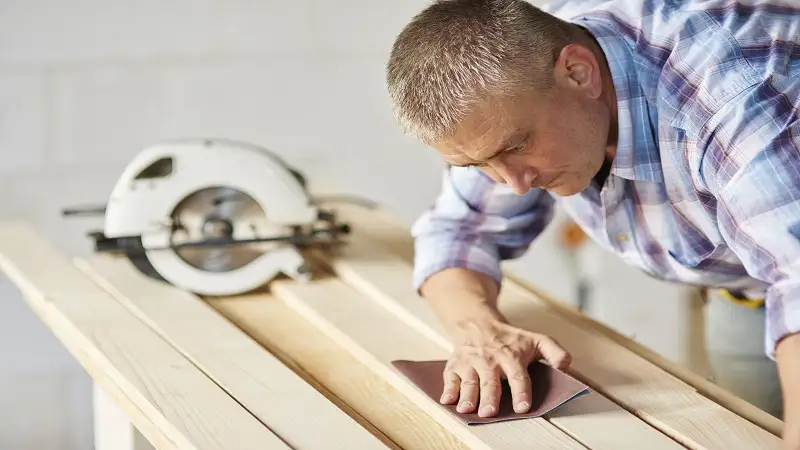
The shape of your cabinet door plays a key role in selecting an abrasive pad. Flat panels, raised borders, and curved edges each need a suitable sanding approach.
- Flat cabinet doors: Use steady, even strokes across broad surfaces to prepare them for the next finish.
- Raised-panel doors: Work carefully around raised borders to preserve their shape and edges.
- Curved edges and mouldings: Choose a flexible abrasive that can follow the door’s contours and reach detailed profiles.
SurfPrep ProFoam is one example of a foam-backed abrasive for shaped surfaces. Its flexible backing can follow curves and profiles, making it suitable for detailed cabinet doors.
Your sanding approach may change across a single door. For example, a raised-panel door has broad areas that need even coverage and shaped edges that call for more controlled sanding.
2. Select Grit Based on Surface Condition
Grit refers to the size of the abrasive particles on a sanding product. When the grits are coarse, they cut through the material more quickly, whereas finer grits leave a smoother scratch pattern.
Let the present state of the door be your partial guide to starting grit.
- Coarse grit: It has heavier sanding or paint removal when it is permissible for the surface and the project.
- Medium grit: Choose it for general sanding and smoothing rough areas.
- Fine grit: This is used either for lightly polishing the surface or between the two layers when the finish directions require it.
Peeling paint on a door might require more work than a well-finished door that requires only slight scuffing. Begin with the coarsest grit that can effectively perform the task, and then proceed to finer grit.
Delicate surfaces and thin veneer require additional attention since sanding can be easily removed. Before proceeding to work on the entire door, test your selected grit on an inconspicuous surface and observe the instructions of the paint or finish maker.
The intention is to ready the surface and leave as much of the original material as possible there.
3. Compare Abrasive Materials for Different Tasks
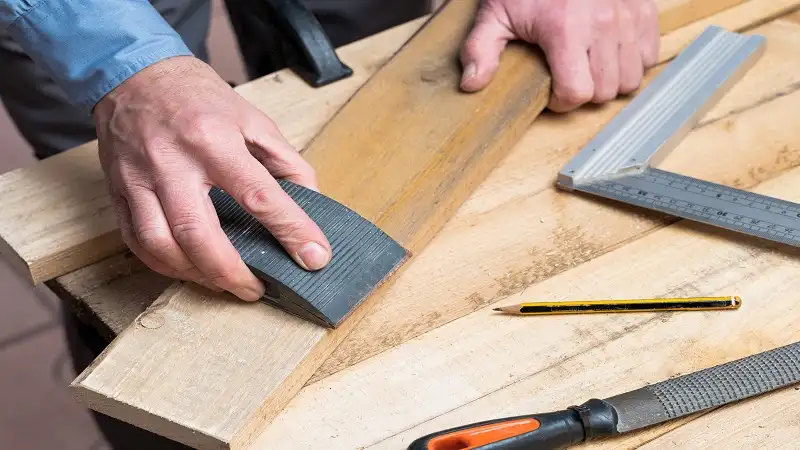
The characteristics of abrasive materials influence their performance on cabinet doors. By comparing these features, you can choose the right option at each step of refinishing.
- Foam abrasives: Their flexible backing adapts to curves, mouldings, and detailed profiles.
- Paper abrasives: These suit general woodworking and surface preparation. SurfPrep’s Sandstorm paper is intended for general sanding, while White Lightning paper uses ceramic abrasive material and is designed for longer use on hardwoods.
- Film abrasives: SurfPrep Blizzard Film provides a consistent cutting surface for controlled sanding, particularly on flatter areas.
- Non-woven pads: These are useful for light scuffing and surface preparation before applying a new finish.
All the materials play various roles in the preparation process. Foam provides flexibility at shaped edges, whereas paper and film offer a choice for sanding larger surfaces.
When the existing finish requires only slight preparation, but not a lot of material removal, non-woven pads are worth considering. Always check the product’s intended use to make sure it suits your door material and the work required.
4. Consider Existing Finish and Sander Compatibility
The condition of your cabinet doors affects the abrasive and grit you need. A painted door that requires light scuffing calls for a different approach from one with peeling paint or rough patches.
Use these points to guide your selection:
- Peeling or damaged finishes: A more aggressive abrasive may be needed in certain areas, depending on the door material and the extent of the damage.
- Bare wood: Select a grit that smooths the surface while preserving its natural details.
- Veneer and thin panels: Use a gentle approach because these surfaces have limited material available for sanding.
The abrasive must also fit your sander correctly. Check the pad size, attachment type, and hole pattern before choosing a replacement.
When comparing SurfPrep abrasives, review the product details to confirm the correct size and attachment style for your tool.
Some abrasive setups also require an interface pad, while ProFoam abrasives can be used without one. Follow the product instructions and your sander manual to confirm compatibility and support proper dust collection.
5. Match Abrasive Pad to Your Cabinet Refinishing Needs
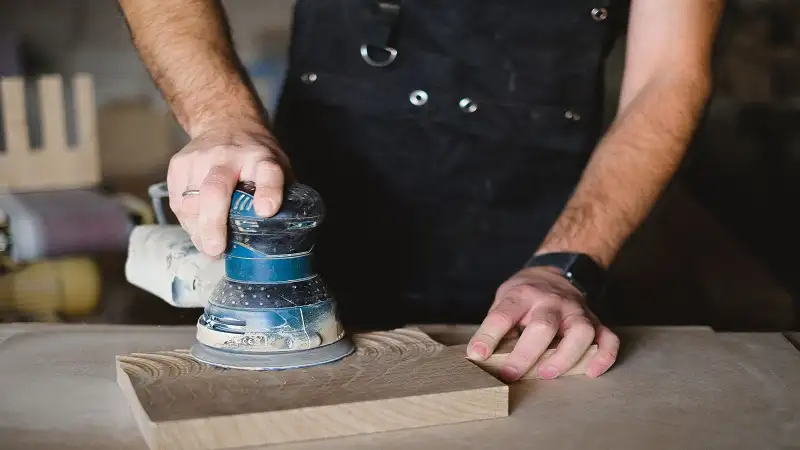
Before settling on an abrasive, bring together the main details of your project.
- For broad, flat panels: Compare paper and film abrasives based on the surface and level of control required.
- For raised panels and curved edges: Look for flexible abrasives that can follow the door’s contours.
- For light surface preparation: Consider a suitable fine-grit abrasive or non-woven pad when the existing finish only needs scuffing.
- For heavier sanding: Select a suitable coarser grit based on the door material and the amount of material that needs to be removed.
- For powered sanding: Confirm that the abrasive matches your sander’s size, attachment system, and dust-collection setup.
A cabinet door with flat panels and decorative edges may need more than one abrasive type. Matching each option to the area being sanded can help you prepare the whole door with better control.
SurfPrep’s abrasive collection includes several types to compare for your project. Check the product specifications alongside your door’s material, condition, and shape before making your final selection.
Bottom Line
Choosing the right abrasive pad for cabinet doors depends on the door’s shape, surface condition, and intended finish. Foam abrasives suit detailed profiles, while paper, film, and non-woven options serve other surface preparation tasks.
Grit, pad size, and tool compatibility also affect your results. By comparing these factors with the abrasive types available from SurfPrep, you can make a more informed choice for your cabinet refinishing project.
Use steady pressure, follow the finish maker’s instructions, and remove sanding dust before applying a new finish.
See More: RedandWhiteMagzcom