
Key Takeaways
- AI facilities can create large, steady electricity loads that require early grid planning.
- Power, water, land use, transmission, cooling, and emergency systems should be evaluated together.
- Clear interconnection rules can help prevent infrastructure costs from being shifted to households.
- Storage, demand response, and flexible computing can reduce stress during tight grid conditions.
- Public reporting helps communities understand jobs, taxes, water use, emissions, and rate impacts.
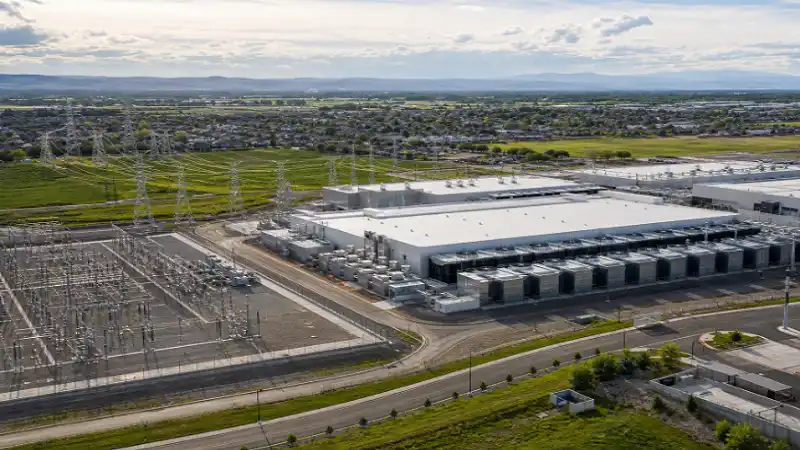
Artificial intelligence is becoming a major part of the electricity-planning conversation. New AI data centers can require substantial, continuous power for computing equipment, cooling, networking, and backup systems. The debate highlighted by KR SRidhar reflects a broader question for communities: how can they welcome digital investment without compromising affordable, dependable service for existing residents and businesses? The answer is not to treat AI as the only cause of grid strain. Electricity demand is also affected by manufacturing expansion, building electrification, electric vehicles, population growth, extreme weather, and aging transmission equipment. Still, AI facilities are often unusually large loads concentrated in one location, which makes early coordination among developers, utilities, regulators, and local leaders essential.
Why Electricity Demand Is Rising
AI data centers use specialized processors that produce significant heat, so their energy needs extend beyond the servers themselves. Cooling equipment, pumps, power conversion systems, security, networking, and battery charging all contribute to the site load. Unlike many commercial buildings, a large computing campus may operate at high utilization day and night. That does not mean every proposed project will have the same effect. A facility’s location, requested capacity, timing, cooling design, and ability to use on-site resources all matter. Local decision-makers should request hourly and seasonal load forecasts rather than relying solely on a single headline number in megawatts.
How AI Loads Differ From Older Data Center Demand
Traditional data centers host websites, storage, business software, and cloud services. AI facilities can do those things too, but large training clusters and high-volume inference systems can create denser electricity demand. Training runs may hold thousands of processors at intense output for extended periods, while inference supports ongoing requests from users and businesses.
Four parts of the load to assess
- Training: Long-duration computing jobs that may be schedulable in some cases.
- Inference: Continuous services that may need faster response and fewer interruptions.
- Cooling: Electricity and, depending on the design, water are needed to manage heat.
- Reliability systems: Batteries, generators, switchgear, and controls that keep operations online during outages.
What Local Planners Should Review
A building permit alone is not a complete infrastructure review. Communities should examine whether nearby substations, transmission lines, roads, water systems, broadband connections, and emergency services can support the project. The developer should provide realistic construction phases, including the expected load at each stage, rather than only a final buildout estimate. Good due diligence also considers land-use compatibility. Officials should evaluate generator noise, fuel deliveries, visual impacts, stormwater runoff, heat discharge, water availability, and the potential need for new rights-of-way. Public meetings are more productive when these issues are described in plain language before major commitments are made.
Why Grid Connection Rules Matter
Connecting a very large customer can require new substations, transmission upgrades, generation studies, and reliability assessments. The central policy question is who pays for those additions. A fair approach identifies project-specific costs, establishes deposits or financial security, and protects existing customers if a proposed facility changes plans or withdraws. In June 2026, the rules governing how data centers and other large energy users connect to the electric grid came under focused federal review. That emphasis on transparent studies, cost allocation, flexible loads, and adequate generation is useful for local discussions as well. Speed matters, but so do reliability and ratepayer safeguards.
Power Options for New Facilities
No single supply strategy fits every site. Utility service may provide the simplest operating model, but it can require lengthy network upgrades. Renewable power contracts can support cleaner procurement goals, although round-the-clock operations may also need storage, transmission access, or other firm resources. Battery systems can cover short peaks and support backup functions, but they do not replace long-duration supply on their own. On-site generation may reduce certain connection constraints, yet it requires careful review of fuel supply, emissions, noise, local air permits, and operating limits. Communities can use the electricity data available for their state and region to understand existing generation, sales, prices, and fuel patterns before comparing proposals.
The Case for Flexible Computing
Some noncritical training, batch processing, and maintenance tasks may be shifted away from periods of high demand or grid emergencies. This flexibility can be valuable when built into contracts and tested before a crisis, rather than assumed after a facility is operational. Useful tools include time-sensitive pricing, automated demand response, battery-backed workload shifting, lower-power operating modes, and moving nonurgent jobs to another region. Critical applications still need dependable service, so flexibility should be a defined capability with cybersecurity protections, performance limits, and compensation terms.
Addressing Community Costs and Benefits
AI facilities can bring construction activity, tax revenue, local supplier spending, and upgraded infrastructure. They can also raise legitimate concerns about electricity bills, water use, land conversion, generator emissions, noise, and demands on public services. Communities build trust by discussing both outcomes before incentives or approvals are finalized. Development agreements should state expected job numbers and skill requirements, responsibility for grid upgrades, water-use limits, drought procedures, generator controls, and reporting commitments. Periodic reviews matter because actual energy use, staffing, and construction schedules may differ from initial projections.
A Practical Planning Checklist
- Confirm the load: Request hourly, seasonal, and long-term electricity forecasts.
- Check capacity: Review substation, transmission, generation, and interconnection constraints.
- Protect customers: Set transparent cost-allocation rules and financial protections.
- Plan for extremes: Test operations during heat waves, storms, droughts, and fuel disruptions.
- Compare cooling systems: Evaluate water-based, air-based, and hybrid designs.
- Set flexibility terms: Define when and how loads may be reduced during grid emergencies.
- Publish key information: Share energy, water, jobs, taxes, and emissions data clearly.
- Revisit assumptions: Update forecasts as technology and local conditions change.
Conclusion
Reliable AI growth depends on much more than adding servers. The strongest projects combine realistic forecasts, adequate power infrastructure, fair cost sharing, responsible resource use, and open communication. Data center operators and utilities should evaluate electricity demand, grid capacity, water requirements, land use, and potential impacts on nearby customers before major expansion. Long-term planning can also help identify where additional generation, transmission, storage, or efficiency measures may be needed. Communities should have clear information about expected benefits, costs, and infrastructure changes rather than being asked to accept growth without meaningful discussion. With those foundations in place, communities can support advanced computing while keeping affordability, resilience, environmental responsibility, and local priorities in view. A balanced approach allows technological investment to continue without placing unnecessary pressure on existing resources or shifting unreasonable costs onto households and smaller businesses.
SeeMore: RedandWhiteMagzcom