
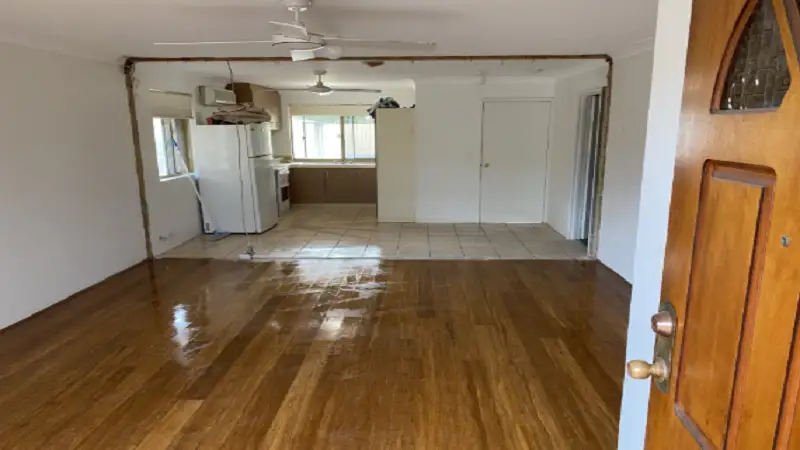
Planning a home renovation in Perth that involves removing a non-load-bearing wall? You may want to connect your kitchen and living room, create a larger dining area, or make better use of your space. Removing a wall would assist in developing an open layout, although the task entails more than breaking down bricks or drywall.
You may have questions about safety, costs, hidden pipes and wires, and the work involved. Knowing the process can assist you in comprehending what to expect, starting with the first visit to the home and even the final cleanup.
In this guide, we examine the major processes of non-load-bearing wall removal in Perth, starting with the initial visit to the home and ending with the final work and cleanup.
1. Site Visit and Project Review
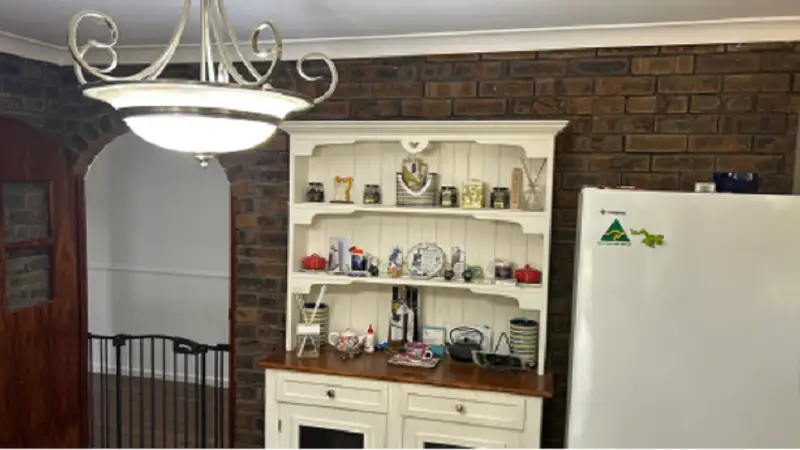
A visit to your home is the first step. You can point out the wall you want removed and describe your plans for the space. For example, you might want to connect your kitchen and living room or create a larger dining area.
The contractor visits to check the role of the wall in the building and reviews the layout of the room. Electrical wires, water pipes, and gas lines can be hidden behind walls, so the team might need to inspect surrounding space and the roof space before starting the removal.
These checks help identify services that may need to be moved or protected. If electrical, plumbing, or gas work is needed, it must be carried out by people with the required licenses in Western Australia.
In case the role of the wall is not obvious, a structural engineer or any other competent professional might be required to examine it. The results assist in determining the scope of your non load bearing wall removal Perth project, prepare a quote, and strategizing how to guard adjoining floors and rooms in the process.
2. Quote and Project Costs
Once the home and the intended work have been reviewed, the contractor is in a position to prepare a quote. It must specify the work involved, the anticipated price, and any additional items that might be included.
These are the size of the wall, the materials contained in the wall, the ability to gain access to the work area, and the repairs required after removal. Relocation of pipes or wires may also increase the cost.
In case subsequent inspections indicate that the wall supports part of the building, the plan might have to change. The project could then require extra design work and structural support, such as a steel or engineered timber beam. An established non-load-bearing wall does not require a beam simply because it is being removed.
Make sure that the quote covers waste removal, dust control, wall and ceiling repairs, and cleanup. A written quote enables you to see what you are paying and what additional costs may be incurred.
3. Rules, Approvals, and Contractor Checks
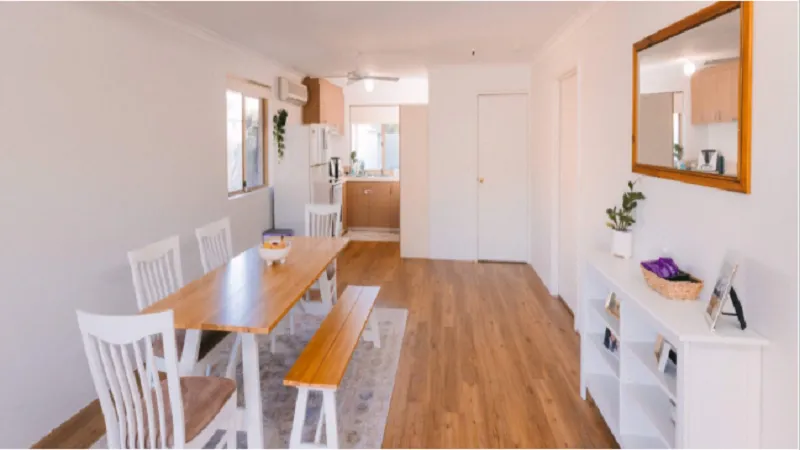
In Western Australia, the rules depend on the property and the type of work planned. Approval needs can vary, so do not assume that every wall removal job is exempt.
The state’s building approval guide explains how the process works. Your local council can also tell you which rules apply to your renovation.
Ask who is responsible for checking and arranging any required approvals. Having a clear answer before work begins can help prevent delays.
You should also check the contractor’s qualifications and insurance. Builder registration rules depend on the type and value of the work, so confirm which rules apply to your project. Keep copies of the quote, approvals, insurance details, and other project records.
4. Home Protection and Dust Control
Preparing the work area helps protect the rest of your home. Floors and nearby surfaces can be covered to limit damage from dust and falling debris. Plastic barriers may also help keep dust from spreading into other rooms.
Move furniture, fragile items, and small belongings away from the work area when possible. The team can also explain how it plans to protect nearby rooms and keep the work zone separate from the rest of your home.
Older homes need extra care because some building materials may contain asbestos. Homes built before 1990 in Western Australia may contain asbestos products. The WA Health guide to asbestos in the home explains the risks and safe handling steps.
If a material may contain asbestos, work should stop until it has been checked. Cutting, sanding, or breaking such material can release harmful fibers. Testing and removal should be handled by qualified professionals, with licensed asbestos removal required where the law applies.
5. Removing the Non-Load-Bearing Wall
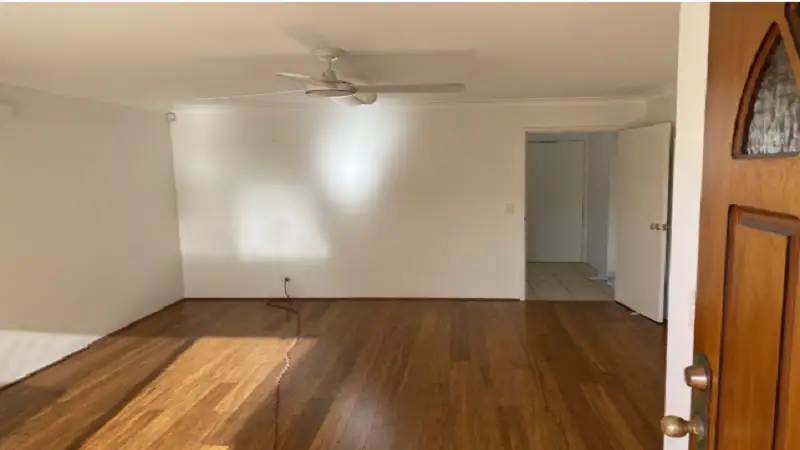
Once the checks are complete and the work area is ready, the removal team can begin taking down the wall. The method depends on the wall’s size, location, and materials. Drywall, timber framing, and brick walls may each need a different approach.
The team removes the wall in sections, taking off the wall covering before removing the framing or masonry as needed. Careful removal helps protect nearby walls, ceilings, floors, and fixtures. Building waste is cleared as the work moves forward to keep the area tidy.
After the wall comes down, the team checks the exposed edges and nearby surfaces for damage. If hidden pipes, wires, or unexpected structural parts appear, work should stop until the issue has been checked and the next steps are clear.
6. Repairs, Cleanup, and Final Check
Removing a wall can leave gaps where it met the ceiling, walls, and floor. The team can fill these gaps, patch drywall, and smooth the surfaces before painting. The repairs needed depend on the wall and the finish agreed upon for the project.
Once the repairs are done, the team removes the remaining waste and cleans nearby surfaces. Vacuuming and wiping help remove fine dust that dry sweeping may spread into the air.
Before the project is complete, walk through the space with the contractor. Check the repaired areas and confirm that the agreed work is finished. If anything needs attention, discuss it before the job is signed off.
After the final check, you can plan the next steps, such as painting, installing new flooring, or arranging furniture to suit your new layout.
Bottom Line
Non-load-bearing wall removal in Perth can help you create a more open home, but each project needs a plan that fits the property. The work may involve a home visit, checks for hidden services, a written quote, and any required approvals before removal begins.
Once the wall is gone, repairs and cleanup help prepare the space for its new layout. The exact work depends on the wall, the condition of the home, and the agreed project scope. Understanding the process gives you a clearer picture of what happens from the first visit to the finished space.
See More: RedandWhiteMagzcom