
Key Takeaways
- Become familiar with local zoning regulations for fence installations to ensure compliance and avoid penalties.
- Select fence materials that withstand both coastal moisture and strong inland winds for better performance and durability.
- Implement routine fence maintenance to preserve structural integrity and visual appeal.
- Opt for fire-resistant materials where possible to improve safety in wildfire-prone areas.
Table of Contents
- Understanding Local Regulations
- Choosing the Right Materials
- Installation Best Practices
- Maintenance Tips
- Fire-Resistant Fencing
- Cost Considerations
- Working with Professionals
- Conclusion
Ensuring your property is both secure and visually appealing is crucial for any homeowner in Ventura County. The choice of fencing is not only about style but also about adapting to the local climate and regulations. Whether you reside in Ventura, Oxnard, Thousand Oaks, Camarillo, or Simi Valley, the right fence can make a significant difference for your home or business. For tailored solutions and professional expertise, consider consulting EverFence Ventura County, a trusted provider specializing in a variety of fencing solutions and automated gates built for the region’s coastal winds and inland weather conditions.
Ventura County presents a unique environment where coastal air, inland breezes, and the risk of wildfires all play a role in how well your fence endures over time. Choosing appropriate materials and installation techniques is essential for maximum longevity and legal compliance.
Understanding Local Regulations
Before installation, it is vital to review Ventura County’s zoning ordinances. These laws dictate the height, placement, and materials allowed for fencing, especially near streets or property boundaries. For instance, residential fences generally cannot exceed three feet within required sight triangles, ensuring clear visibility for traffic and pedestrians. In most urban neighborhoods, barbed wire, electric, and other hazardous fencing types are prohibited to ensure community safety. Ignoring these rules can result in costly penalties and required modifications.
Choosing the Right Materials
The region’s climate, from salty ocean air to inland heat, means not all fencing materials perform equally. Most homeowners in Ventura County choose from:
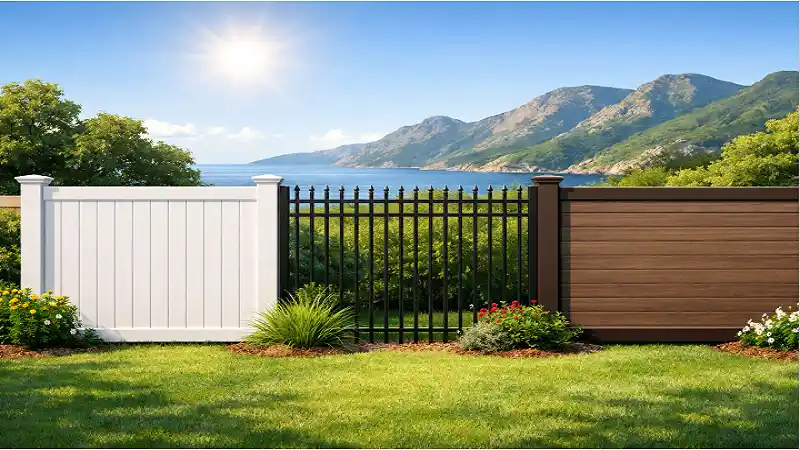
- Vinyl Fencing:Highly resistant to moisture, mildew, and rot, vinyl requires little maintenance and retains its appearance for years.
- Aluminum Fencing:This lightweight, rust-resistant option stands up well to both coastal humidity and strong winds, making it ideal for varied microclimates.
- Composite Fencing:Blending wood fibers with durable plastics, composites provide the natural look of wood while resisting decay, pests, and weather damage.
When selecting materials, balance aesthetic preferences, budget, and the time available for maintenance. The durability and performance of each material can help lower long-term repair or replacement costs. For an in-depth guide on material choices and climate effects on home improvement projects, see HGTV’s guide to cheap fence ideas.
Installation Best Practices
Correct installation plays a critical role in a fence’s life and performance. In areas susceptible to strong winds, such as coastal or open inland zones, fence posts should be set deep, ideally one-third of the post’s total length, to resist being uprooted. Use galvanized or stainless steel hardware to avoid corrosion from salt air, and allow wood or composite materials room to expand or contract with temperature swings. These steps help prevent premature leaning, warping, or hardware failures that can compromise both appearance and security.
Maintenance Tips
Fencing in Ventura County benefits from planned maintenance routines:
- Conduct visual inspections at least once per year to spot damage early.
- Wash the fence regularly to remove dust, salt residue, and organic growth such as mold or algae.
- Apply protective finishes or sealants to wood and composite fences as recommended by manufacturers.
Timely repairs and cleaning not only prevent bigger problems but also extend the lifespan and attractiveness of your fence. For more maintenance advice, homeowners can reference Angi’s fence maintenance tips.
Fire-Resistant Fencing
Ventura County is prone to wildfires, making fire-resistant fencing a smart investment. Consider:
- Metal Fencing:Products like aluminum and wrought iron are non-combustible and can deter the spread of flames.
- Masonry Fencing:Stone, brick, and concrete options withstand high temperatures and act as effective fire barriers.
Integrating fire-resistant materials in fencing and property design improves overall safety and may lower insurance rates, especially for homes near wildland-urban interfaces.
Cost Considerations
Fence installation costs are driven by several factors:
- Material Choice:Wood is typically less expensive up front, while vinyl, aluminum, and composite cost more but provide greater longevity and less maintenance.
- Labor & Installation:Hiring professionals for proper installation adds to your investment but helps ensure the fence stands up to local environmental conditions.
- Permits & Fees:Some fencing projects require city or county permits. Check with your local planning office for specific requirements.
Obtain multiple quotes and thoroughly review what is included with installation for an accurate comparison.
Working with Professionals
Professional installers bring local knowledge and expertise that can streamline your fencing project. When hiring a contractor:
- Verify they hold current licenses and insurance to protect your property and financial interests.
- Ask for references and examples of completed work in Ventura County to assess quality and reliability.
- Confirm familiarity with local building codes and weather considerations unique to the area.
Caring for these details ensures you receive a fence tailored to your property’s requirements and built to last.
Conclusion
Choosing and installing residential fencing in Ventura County involves more than just selecting an attractive design. It means understanding local zoning, picking materials that withstand the specific challenges of the coastal and inland climate, and maintaining your investment to promote longevity and compliance. With thoughtful planning and the assistance of experienced professionals, your fence can provide privacy, security, and lasting value.
see more: redandwhitemagzcom