
Table of Contents
- Introduction
- Warm, Earthy Color Palettes
- Multi-Functional, Adaptive Spaces
- Sustainable Materials and Eco-Friendly Design
- Biophilic Design and Natural Elements
- Spa-Inspired Bathrooms
- Smart Home Integration
- Curved Lines and Organic Shapes
- Hidden Storage Solutions
Transforming your living space is about more than just aesthetics; it’s an opportunity to reflect your evolving lifestyle and values. Staying ahead of the curve with in-demand features can enhance your daily living experience and provide lasting value to your home. For guidance and inspiration, consult a highly rated remodeling company specializing in innovative, tailored solutions for modern homes.
Interior remodeling trends continue to reflect the blend of comfort, functionality, and sustainability that today’s homeowners desire. Embracing updated styles and smart materials can help breathe new life into your space, making it both beautiful and practical for years to come.
Warm, Earthy Color Palettes
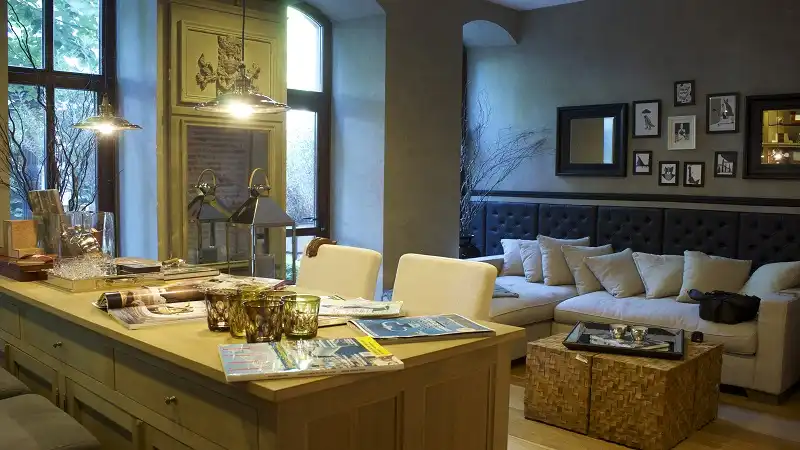
The trend toward warm, earthy color palettes has redefined modern interiors. Shades inspired by natural landscapes, such as terracotta, muted sage, ocher, olive green, and dusty blue, are replacing colder grays and stark whites. This shift creates a cozy and welcoming ambiance, making your home feel inviting and grounded. Incorporating these colors can be as simple as updating accent walls, choosing new textiles, or introducing organic-inspired décor elements. According to Architectural Digest, earthier tones are key to crafting spaces that exude comfort and warmth.
Multi-Functional, Adaptive Spaces
As our living environments need to serve a variety of purposes, rooms that support multiple functions have become a significant trend. Homeowners are increasingly designing spaces that can adapt to changing needs, whether it’s a guest bedroom with a Murphy bed or a living room that seamlessly transitions into a home office. Thoughtful design solutions, such as built-in desks, convertible furniture, and sliding partitions, are essential for effortless room transformations. Adaptive spaces offer greater flexibility for families, remote workers, and those looking to maximize every square foot of their homes.
Sustainable Materials and Eco-Friendly Design
Modern homeowners are prioritizing sustainability by incorporating eco-friendly design elements and materials. Choices such as reclaimed wood, bamboo flooring, recycled glass, and low-VOC finishes help reduce environmental impact while delivering elegant style. In addition, energy-efficient appliances, solar energy, and water-saving fixtures are becoming must-haves in a holistic approach to green living. Sustainable upgrades not only preserve the planet but also improve indoor air quality and lower utility bills.
Biophilic Design and Natural Elements
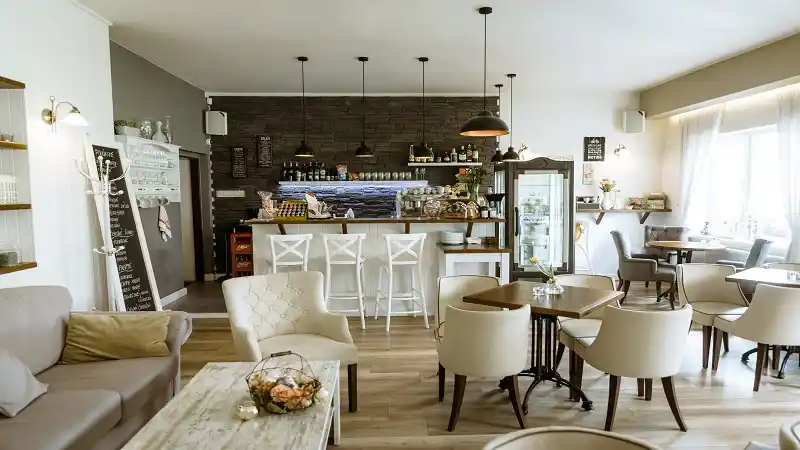
Biophilic design integrates nature into interior spaces, enhancing well-being and creating a calming environment. Bringing the outdoors in can be accomplished with lush indoor plants, living green walls, water features, and maximizing natural light through larger windows or strategically placed mirrors. Natural textures, such as raw wood, stone, and woven fibers, further reinforce a sense of connection to the earth. The integration of these elements not only enriches a room’s visual appeal but also has measurable benefits for mental health and productivity.
Spa-Inspired Bathrooms
Bathrooms are evolving into havens of relaxation, taking design cues from luxurious spas. Beyond simple functionality, modern bathrooms now emphasize tranquility and indulgence. Popular features include freestanding soaking tubs, rainfall showerheads, heated flooring, ambient lighting, and organic finishes like marble or pebble tile. Thoughtful touches, such as built-in benches or plants, further transform the bathroom into a serene retreat where homeowners can unwind after a busy day.
Smart Home Integration
The role of technology in modern home design is expanding rapidly. Integrated smart home systems that manage lighting, temperature, security, and entertainment are increasingly common. Devices such as voice-activated assistants, automated window shades, touchless faucets, and intelligent thermostats can streamline daily routines while boosting energy efficiency. As these technologies become more intuitive and interconnected, homeowners appreciate both their convenience and their adaptability to personal preferences and schedules.
Curved Lines and Organic Shapes
Departing from strictly straight lines and angular forms, designers are embracing curves and organic shapes to create a sense of flow and softness in interiors. Features such as arched doorways, rounded sofas, circular rugs, and sculptural décor evoke a more natural, approachable atmosphere. These elements add visual interest and break up the monotony of traditional geometric layouts, resulting in interiors that feel fresh and harmonious.
Hidden Storage Solutions
Decluttering homes without sacrificing style is easier than ever, thanks to clever hidden storage solutions. Modern remodels increasingly incorporate built-in cabinets, pull-out drawers, under-stair compartments, and multi-functional furniture pieces that offer abundant storage while maintaining a clean look. These smart solutions help minimize distractions and allow the most attractive features of each room to shine. With thoughtful planning, even the smallest spaces can be optimized for maximum utility and visual appeal.
By staying attuned to these interior remodeling trends, homeowners can create modern spaces that are not only fashionable but also practical, efficient, and comfortable for everyday living. Embrace these ideas to ensure your home remains a true reflection of contemporary tastes and needs.